Help Us Bridge The Gap

For the last 24 years Hands at Work in Africa has been advocating for and supporting those living in the most vulnerable communities in Africa who are often without consistent access to food, education or basic health care. Our vision is to see the local Church, backed by the International Church, empowered to care for these children in a holistic and sustainable way, so that they can thrive within their own communities.

In the communities we partner with, our commitment is to ensure that every identified child has access to the 3 Essential Services (3ES) of food, education and basic health care, provided through local Care Workers and effective Life Centres.

In the UK, we always start the year with a gap between the known income we’ll receive and the actual cost of supporting the communities we partner with in Africa. Each year we close that gap through generous one-off gifts and, when necessary, relying on funds we have accumulated. Neither of these solutions is sustainable long term and the issue is becoming more acute.

What’s happening this year

This year, one-off gifts have been low, and this means that overall giving is down by about 12% on the same point last year. By definition, one-off gifts are unpredictable and may come in at any point, but if the current trend continues, we will struggle to meet our commitment to Africa beyond August of this year. It will also mean that, rather than increasing our supported communities in 2027, it is likely we will have to reduce the number of communities and children we support.

We don’t often ask for more money. It was six years ago in 2020 that we increased the cost per month per child from £15 to £20, approximately a 30% increase. The £20 per month, per child, figure is still the right number, but we need that for every child we support, and at the moment only 80% are fully supported by regular giving.  

We’ve set a target to close this gap during 2026, and we are asking you to help.

Put simply, we’re looking for an additional £4,600 per month in committed giving. Whatever you can commit to regularly as an increase will reduce this gap – every pound makes a difference. We’re not expecting one person to step up, rather we need the help of lots of small but generous increases – they all add up. As we look ahead, we’re asking those who are able to consider whether they might increase their giving, recognising that each of us gives according to our own circumstances.

We are deeply grateful for the faithfulness of so many of you who already give regularly and sacrificially to this work – your support is what makes this care possible today. 

There are a few different ways you can respond, depending on what’s right for you:

  • If you already give regularly, then we’d love you to consider increasing that regular gift amount. You can do this by changing your standing order with your bank, either via online/mobile banking, telephone banking, or in-branch.

  • If you currently give irregularly or don’t support Hands at Work financially, then we’d ask that you consider setting up a regular standing order to help us better plan and resource the work in Africa.

  • We understand that not everyone will be able to commit to regular giving at the moment. If you can’t commit, but are able to give a one-off gift, then these are still desperately needed. These gifts are used every year and support 3ES and also projects in Africa, such as building new Care Points. There are always more projects ready in Africa than we are able to support.

All charities in the UK are being encouraged to build resilience to protect their work from disruption and harm that comes from not having enough money. Our objective is for 100% of our committed community support to be covered by committed giving, enabling us to use one-off gifts to meet one-off needs. 

You can see the impact of the great work happening in Hands at Work in Africa here.

If you want to read more about what was achieved and how money was used last year, then you can read our Annual Report here.

Your giving enables children to be fed, to receive basic education and stay in school, and to receive care from people who know them by name and walk alongside their families. It strengthens local communities and equips the Church in Africa to care for their own most vulnerable. Thank you for supporting Hands at Work, and for the commitment and generosity you continue to show.

Thank you!

If you do plan to increase your giving, we’d really appreciate it if you can let us know so that we can track our progress towards closing the gap. If you drop an email to give@uk.handsatwork.org it will get added to our systems. We’ll be feeding back later in the year when we know how we are doing. 

Giving to Projects

You can now donate directly to Community Investment Projects

We’re pleased to share a new way to support the work of Hands at Work in Africa.

UK supporters can now give directly to our Community Investment Projects fund - supporting practical, one-off needs that arise in the communities we serve.

Gifts to this fund enable us to respond quickly to essential needs at Care Points and within communities - from boreholes and toilets to kitchens, playgrounds, house builds and Life Centre buildings. These projects help create safer, more dignified and nurturing environments for children and families.

Because needs can change, this fund allows flexibility, ensuring support goes where it’s needed most, at the right time. At the end of each year, we’ll share a report showing what has been made possible through this fund.

If you’re looking for a practical way to partner with us in building hope and long-term change, we invite you to consider giving to Community Investment Projects.

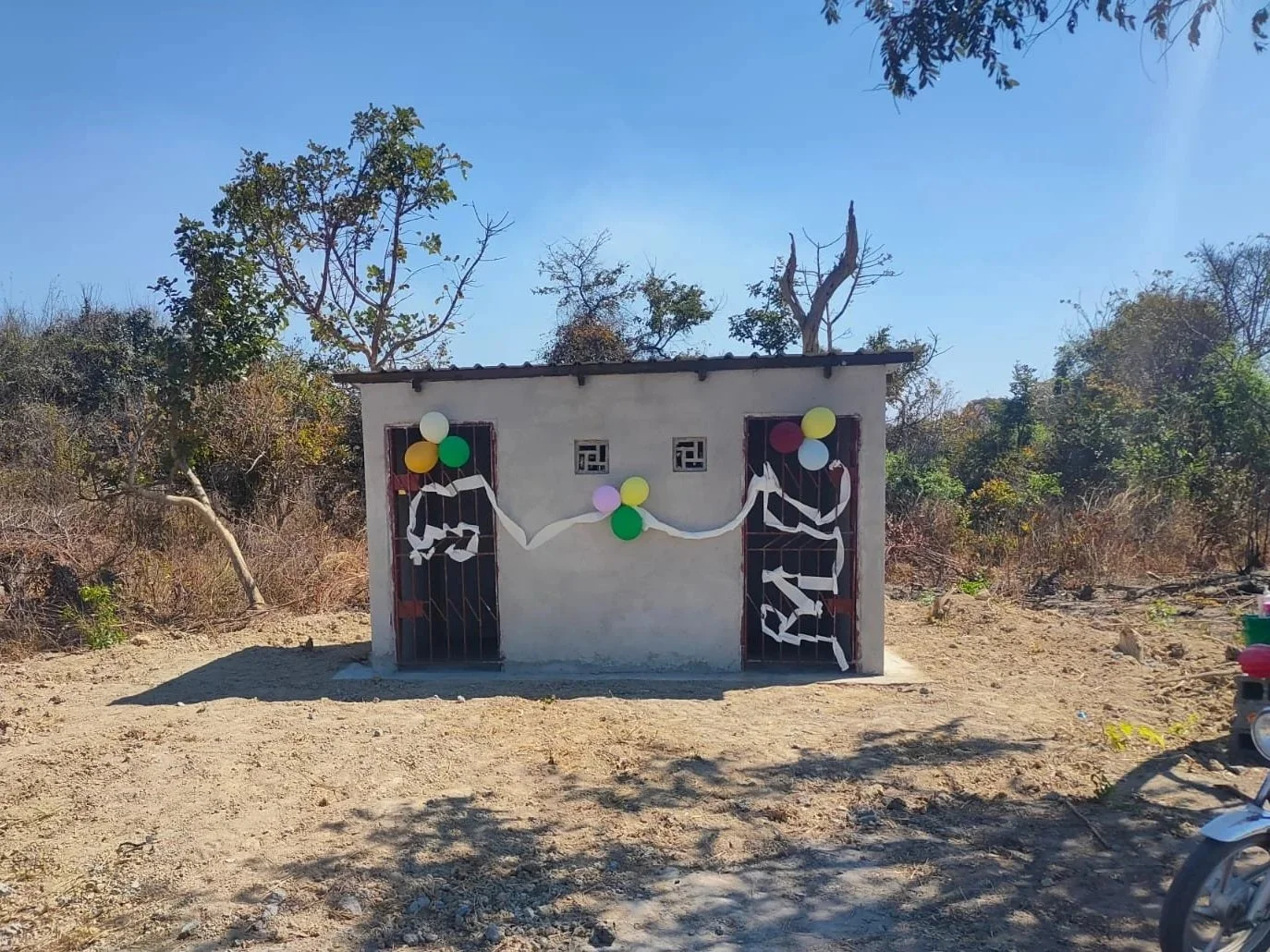
The new toilets at the Chilando Care Point, Zambia

Fellowship Days

Team Programme ‘Appreciation Days’ to Become ‘Fellowship Days’

Hands at Work in Africa has announced a small but meaningful update to one of the long-standing elements of its Team Programmes. What have traditionally been known as Appreciation Days will now be called Fellowship Days.

These days have long formed a regular part of team visits from partners, creating intentional space for visiting Teams and local Care Workers to spend time together, encourage one another, strengthen relationships and deepen partnerships. 

The new name, Fellowship Days, reflects this focus more clearly – highlighting connection, shared experience and mutual encouragement between Teams and the Care Workers who faithfully serve children and communities each day.

Teams will still be welcome to provide gift bags or contribute special lunch items for Care Workers if they wish, in discussion with their International Office. However, this is considered an optional addition rather than an expectation of the day.

Hands at Work looks forward to seeing how Fellowship Days continue to strengthen partnerships and bless Care Workers and the communities they serve.

Updates from Malakota

The community of Malakota in Zambia is home to three Care Points: Malakota A, B and C, which are all supported by UK partners and donations.

Hands at Work first began serving in this vast community at what is now Malakota A. Over time, it became clear that some children and Care Workers were walking long distances to attend. In response, a second Care Point, Malakota B, was established, closer to where many families lived. Later, as vulnerability shifted within the wider community, a third Care Point, Malakota C, was opened in another area to ensure more children could receive care and support.

Malakota A and B operate with their own Care Workers and leadership teams, separate from Malakota C.

Moving towards graduation: Malakota A and B

The Malakota A and B Care Points are now moving towards graduation, likely taking place at the end of 2026 or during 2027. Graduation is when a Care Point is equipped and confident to continue supporting and caring for its children sustainably through local leadership and the local church, and the community is showing development – getting on that “first rung of the ladder”. 

A part of graduating well is leaving the community with strong infrastructure, enabling the local church to continue supporting children and families where needed, or as an asset for the community to repurpose over time. The aim is to leave lasting assets that strengthen the whole community beyond Hands at Work’s direct involvement.

Several Community Investment Projects have recently taken place at Malakota A and B, including the installation of boreholes to provide reliable access to clean water, and strengthening the Life Centre buildings.

The borehole at Malakota B presented particular challenges. After two unsuccessful attempts, water was finally found on the third search at the end of last year – a moment of great celebration and gratitude.

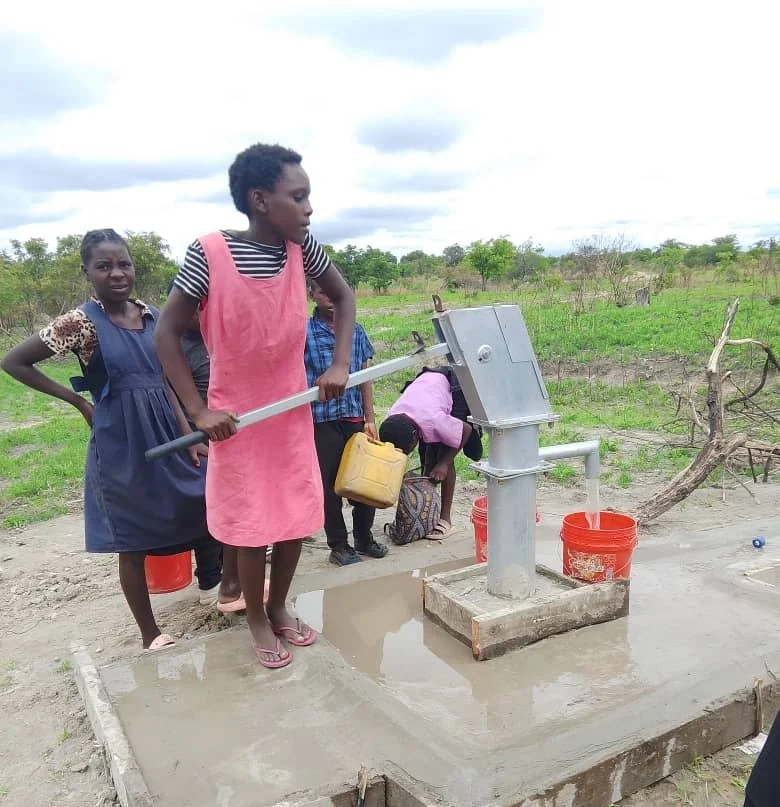
Boreholes are critical for communities, providing not only safe drinking water and water for household use but also enabling families to grow crops and improve food security.

The Life Centre building at Malakota B has also recently been completed. This provides children with a safe place to gather, sheltering them from both sun and rain, where they can eat together, play and spend time in community.

Looking ahead: Malakota C

Malakota C, the newest of the three Care Points, will continue operating for the foreseeable future. Recently, the number of children supported there has increased from 75 to 100, reflecting the ongoing need within that area of the community.

You can read more about Malakota A and B here and Malakota C here.

If you would like to support Community Investment Projects like these across Africa, you can donate here.

An Emerging new Care Point in Eswatini

Hands at Work in Africa is walking alongside a new community in Eswatini which it hopes to formally support, following more than a year of relationship building with local leaders and community members.

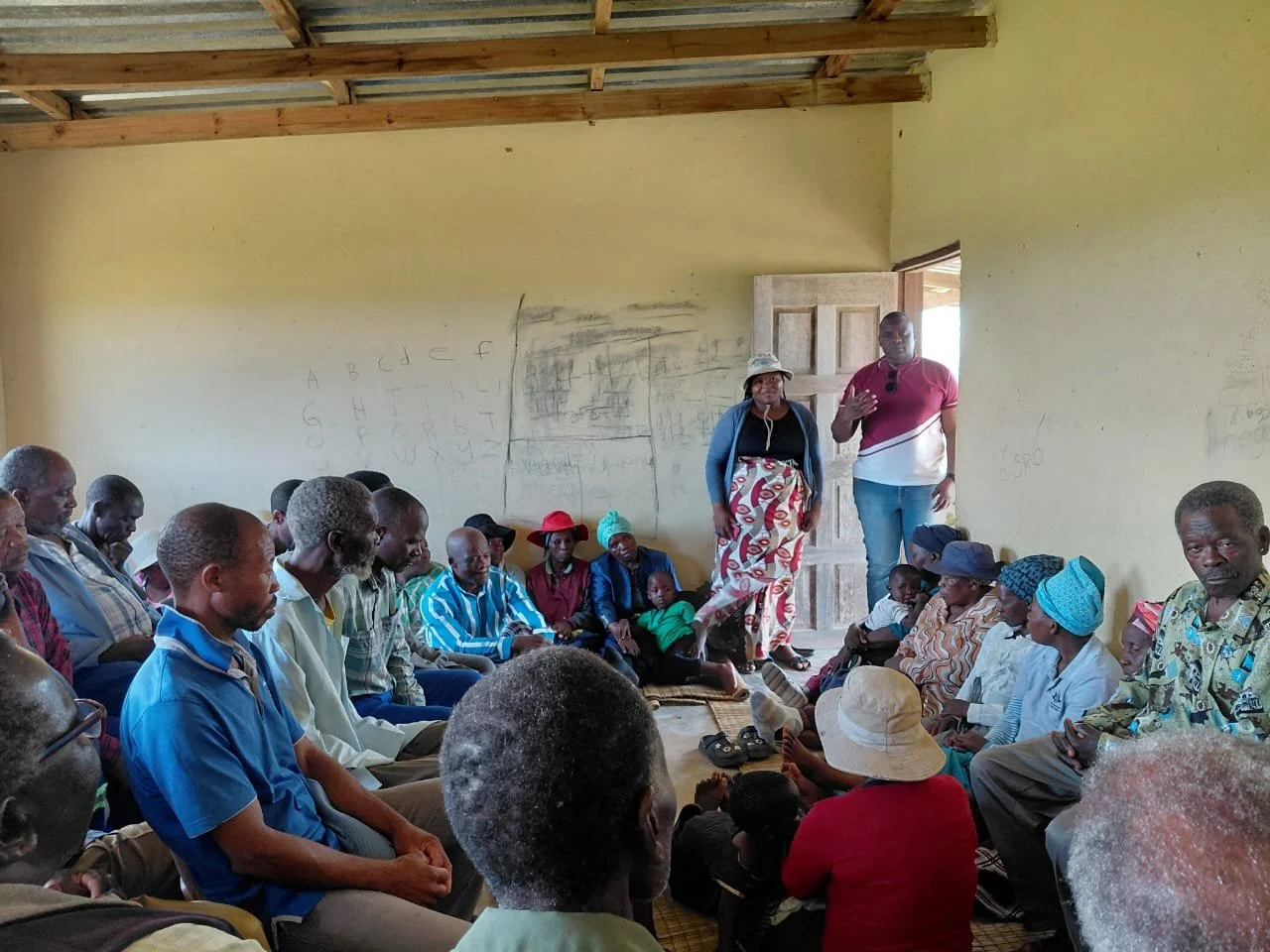
In March, Hands at Work met with more than 50 community members and local stakeholders in the area of Tikhuba, to share about their realities, challenges and hopes for the future. The purpose of the meeting was to listen to the community’s experiences and expectations, whilst offering a clear understanding of Hands at Work and how we walk alongside communities.

Challenges in the community that were raised included limited access to water, poor road conditions, long distances to school, lack of employment opportunities, and the absence of a preschool.

Levy, Hands at Work leader, shared the Hands at Work vision through the question, “What do you have in your hands?” – encouraging the community to begin with the resources and strengths they already have, and to trust God to bless the work of their hands. Levy shared examples from communities in Zambia and Malawi which illustrated how transformation can grow when communities begin with what they already have. Starting a preschool was identified as a practical first step, demonstrating local ownership and commitment.

As the journey with this community develops, the new Care Point is likely to be supported by the UK, and we will be looking for a partner to walk alongside the children, Caregivers and Care Workers. We will share more as the journey continues but in the meantime please join us in praying for Tikhuba.

A Men's Revival in Nigeria

Creating Space to Encounter God

Hands at Work in the UK is supporting a community in Nigeria called Oloba. We wanted to share some news from the community to inform your prayers. We are searching for a UK partner for Oloba, so do read our information on Partnerships if you’d like to find out more!

In February 2026, Michael, from the Zambia Regional Support Team, visited the two Service Centres in Nigeria: Lagos and Ibadan.

Following a need identified during Hands at Work co-leader Prag’s visit the previous year, the Service Centres had recognised a gap. While there are many activities for children and families, there was little focused space for men to gather, reflect and grow in their faith. The idea of a men’s revival was born out of a desire for men to come to know Jesus more deeply and understand how much they are loved by God.

A two-day Men’s Revival was held in Ibadan in the community of Oloba, with men also travelling from the nearby communities of Onilemo and Alugbo. On the first day, 17 men gathered. The time began with introductions, games and joyful worship, with singing, dancing and enthusiastic shouts of “Amen!” as the group prayed for their country, communities and families.

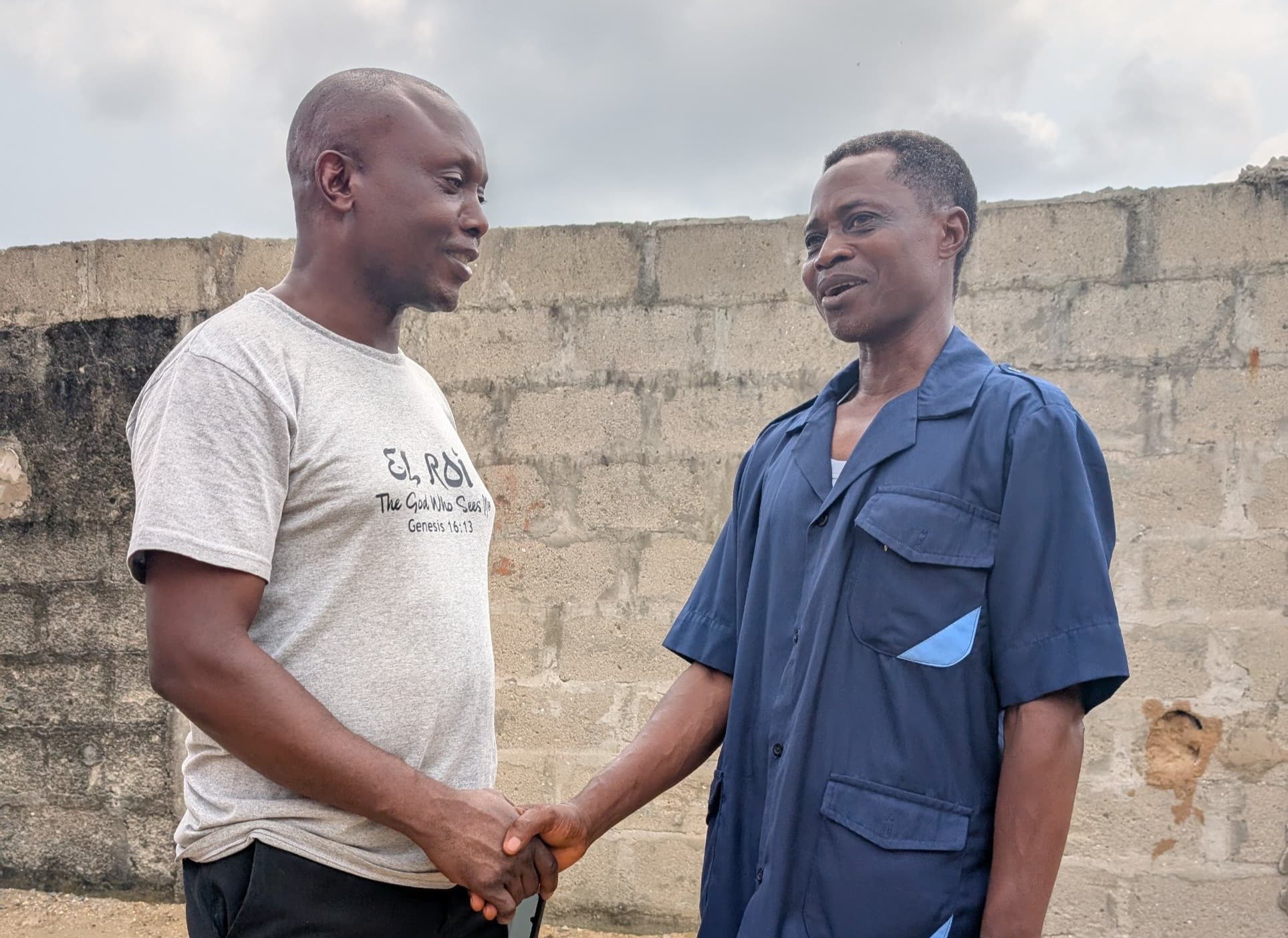
Michael (left) with a church leader

The focus of the first day was family and fatherhood. Michael shared his personal story and encouraged the men to speak about their experiences with their own fathers. Some had positive examples growing up, while others shared about absent or difficult relationships. Reflecting together on Genesis 2:18, Ephesians 5:22-33 and Ephesians 6:1-4, they discussed what it means to love their wives and children well. The conversation was deeply moving, with some men feeling quite emotional as they prayed for healing from the past and for the strength to be good husbands and fathers. Within the cultural context, some men have two or three wives, making these conversations particularly significant.

On the second day, 18 men attended. After more games – which was a great opportunity to play and have fun – there was worship and a recap of the previous discussion, then the group explored the challenging topic of forgiveness through Matthew 18:23–35. Many shared how difficult forgiveness can be, particularly in communities where fear of witchcraft can impact relationships. Through discussion and reflection on the example of Jesus, the men were encouraged to think differently.

At the end of the gathering, the men agreed to continue meeting once a month to create a space to share, pray and support one another. One person from each community will help remind others and coordinate the meetings.

A similar Men’s Revival was also held in Ilaje in Lagos during the visit. The response has been really positive, with communities expressing a strong desire for more opportunities like this. There is a clear hunger among the men to grow in faith and to support one another. Praise God!

The Water of Life

The St Albans team reflects on their visit to Miswa, Zambia

Members of St Albans Cathedral and St Luke’s Church have returned from a profoundly moving visit to Miswa, Zambia. The relationship between the churches and Miswa has been growing for several years, beginning notably with the 2021 church fête that raised funds for a vital community water pump.

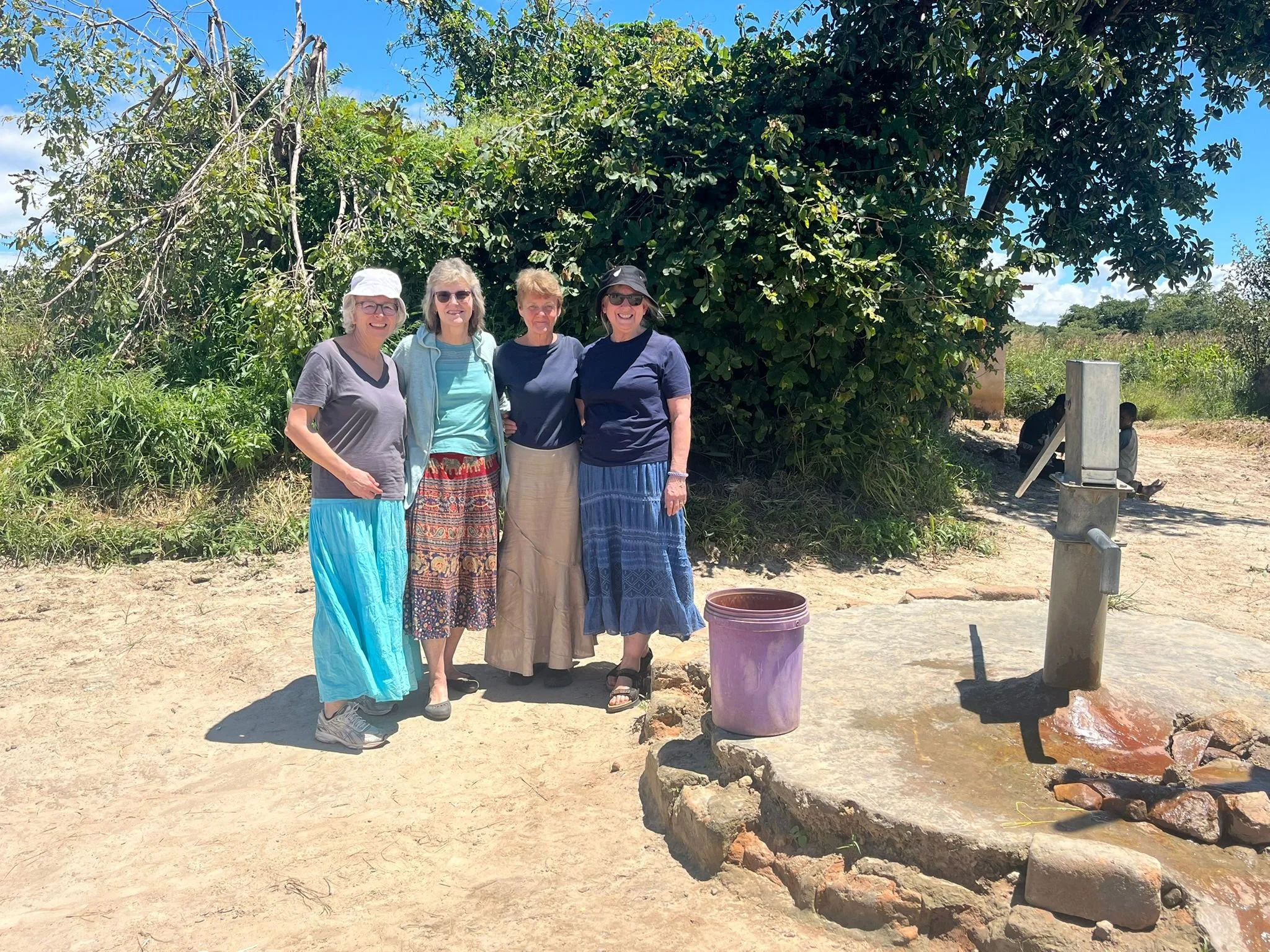
During this recent trip, Juliet, Jo, Helen and Wendy were able to stand beside that very pump – a moment captured in a photograph that symbolises the ongoing impact of the generosity shown by so many. Seeing the pump in person brought home how deeply the community continues to benefit from it, and how the partnership has matured far beyond that first project.

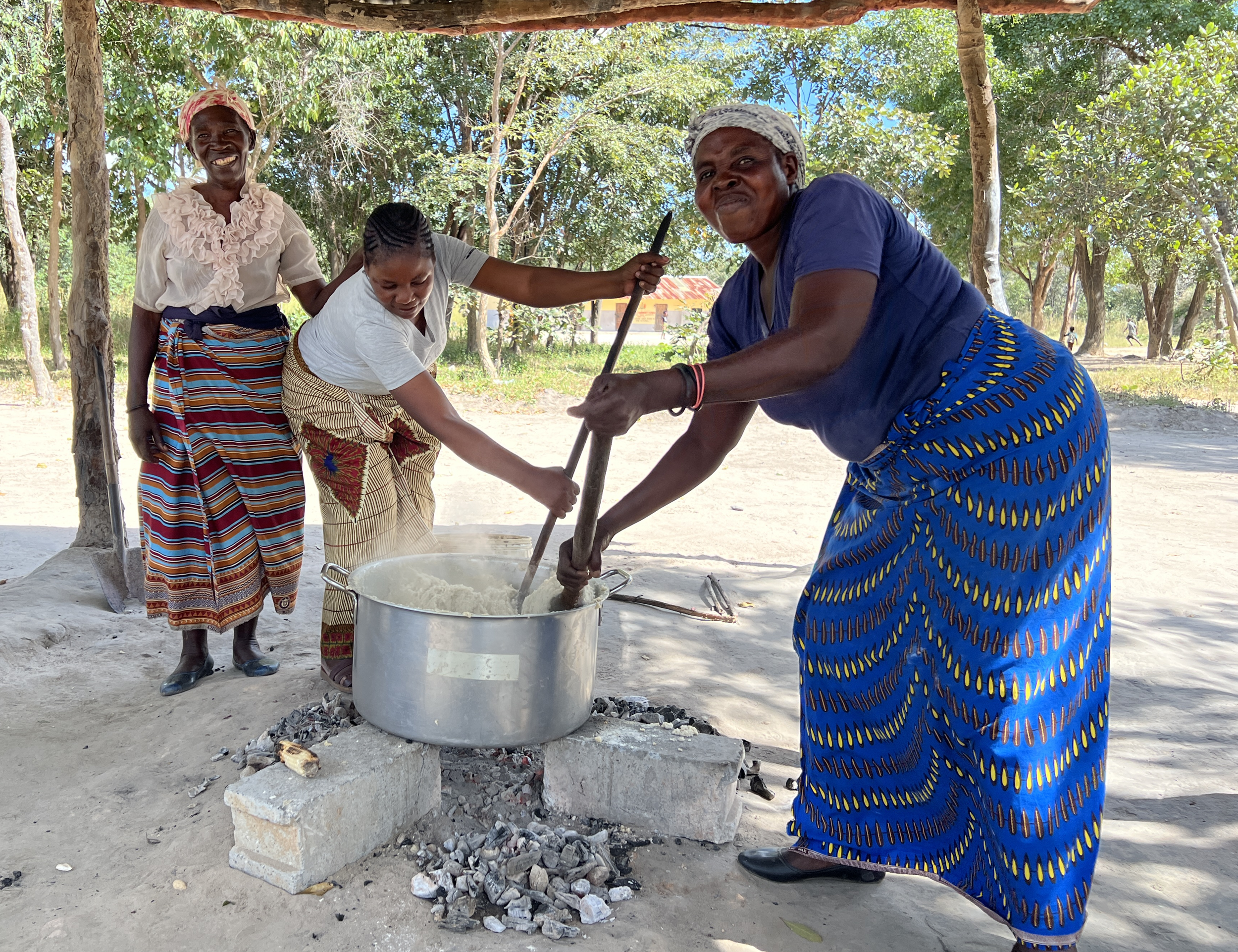
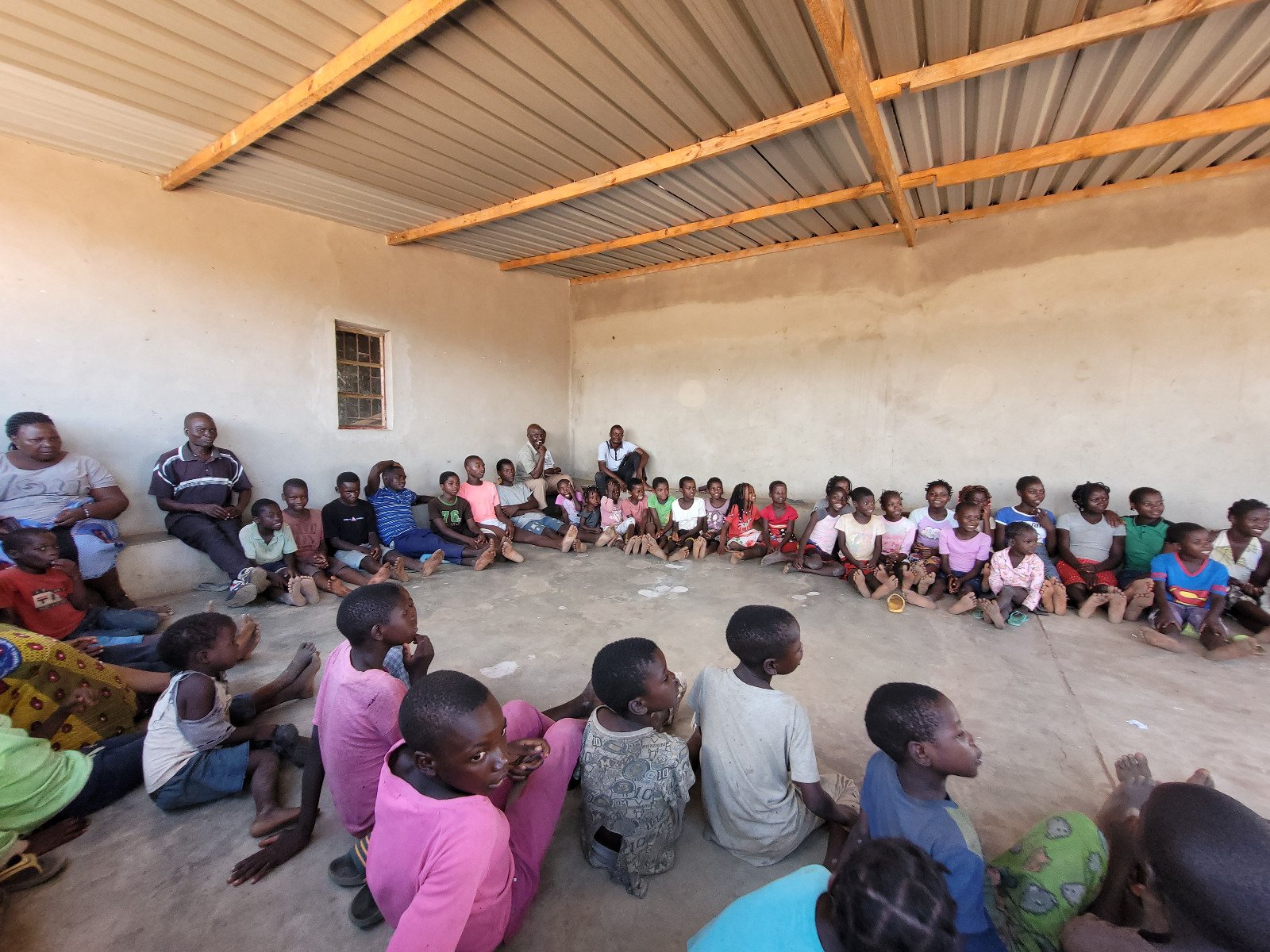
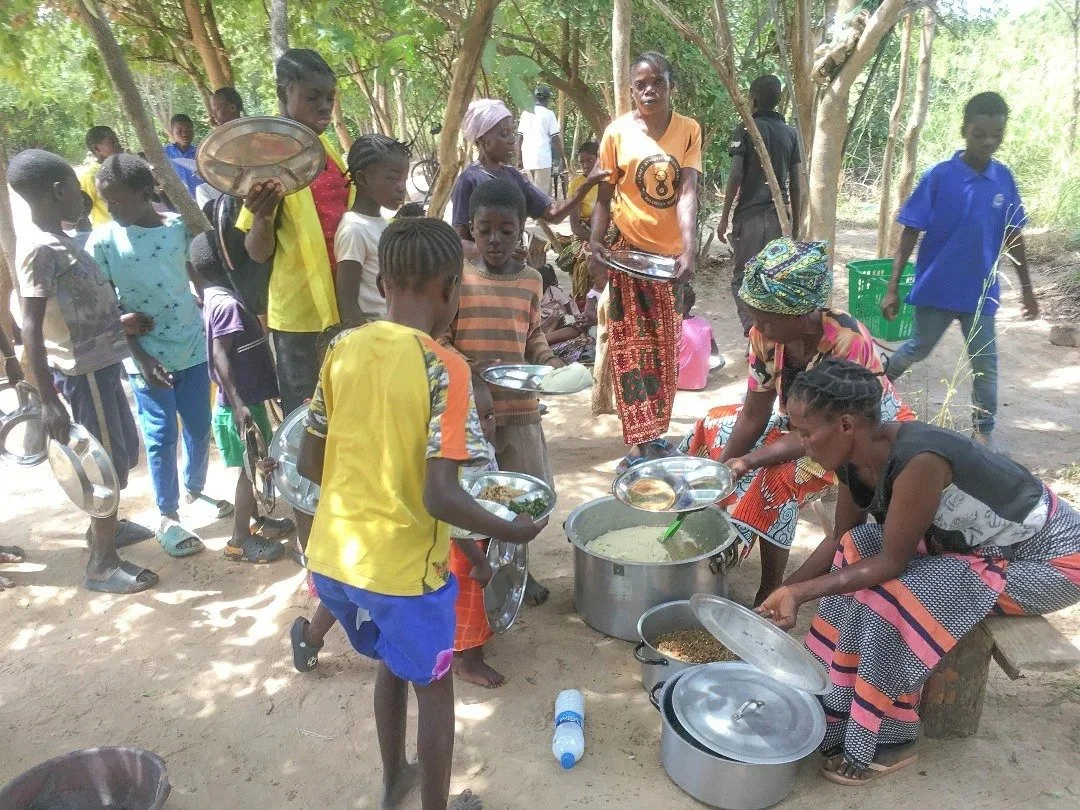
The team spent their days walking alongside the 26 local volunteer Care Workers, who support around 150 vulnerable children, including some from child‑headed households. They joined in home visits, sitting with families, listening to their stories and offering support and prayer. They played with children who rarely have opportunities for carefree moments, and they helped serve meals that, for many children, are the only food they receive in an entire day. These shared moments highlighted not only the immense challenges these families face, but also the life-changing hope brought by the daily faithfulness of the Care Workers.

After returning home, the team has been reflecting on examples of the Care Workers’ extraordinary work and the hope and purpose it brings into the lives of the children. The water pump not only represents the meeting of physical needs but also serves as a reminder of Jesus as the living water, reflected in the Care Workers who faithfully serve as hands and feet of Christ within their communities, bringing that same life-giving hope. The reflections from the team paint a vivid picture of compassion in action – of communities being strengthened, of children rediscovering joy, and of Care Workers finding renewed purpose in serving those around them. It was inspiring to hear how deeply the partnership has taken root and how clearly Alban's footsteps can be seen in Africa.

The impact of the visit has continued to unfold. The team has recorded devotionals, helped organise prayer partnerships between Care Workers and congregants, and hosted a special gathering for both churches, where they served traditional Zambian food and shared stories and reflections from their time in Miswa. Through these activities, the team has stepped into the important work of advocacy, recognising it as part of what we are called to do - to share stories and invite others to walk alongside the communities we serve.

Walking Together for Matsinho B

We are really pleased to share that the Parish of Fen Drayton with Fenstanton has chosen Hands at Work in Africa as its Charity of the Year for 2026!

The connection began in 2024 when one of the parish’s young people joined a team from another church on a visit to Hands at Work in South Africa. During the visit, they experienced first-hand the work of local Care Workers and the impact of community-based care for children and families. On returning home, they shared their experience with the church, planting seeds for future involvement.

Following conversations and prayerful consideration, the parish decided to support Hands at Work throughout the coming year, partnering specifically with the community of Matsinho B in Mozambique.

The Matsinho B Care Point, Mozambique

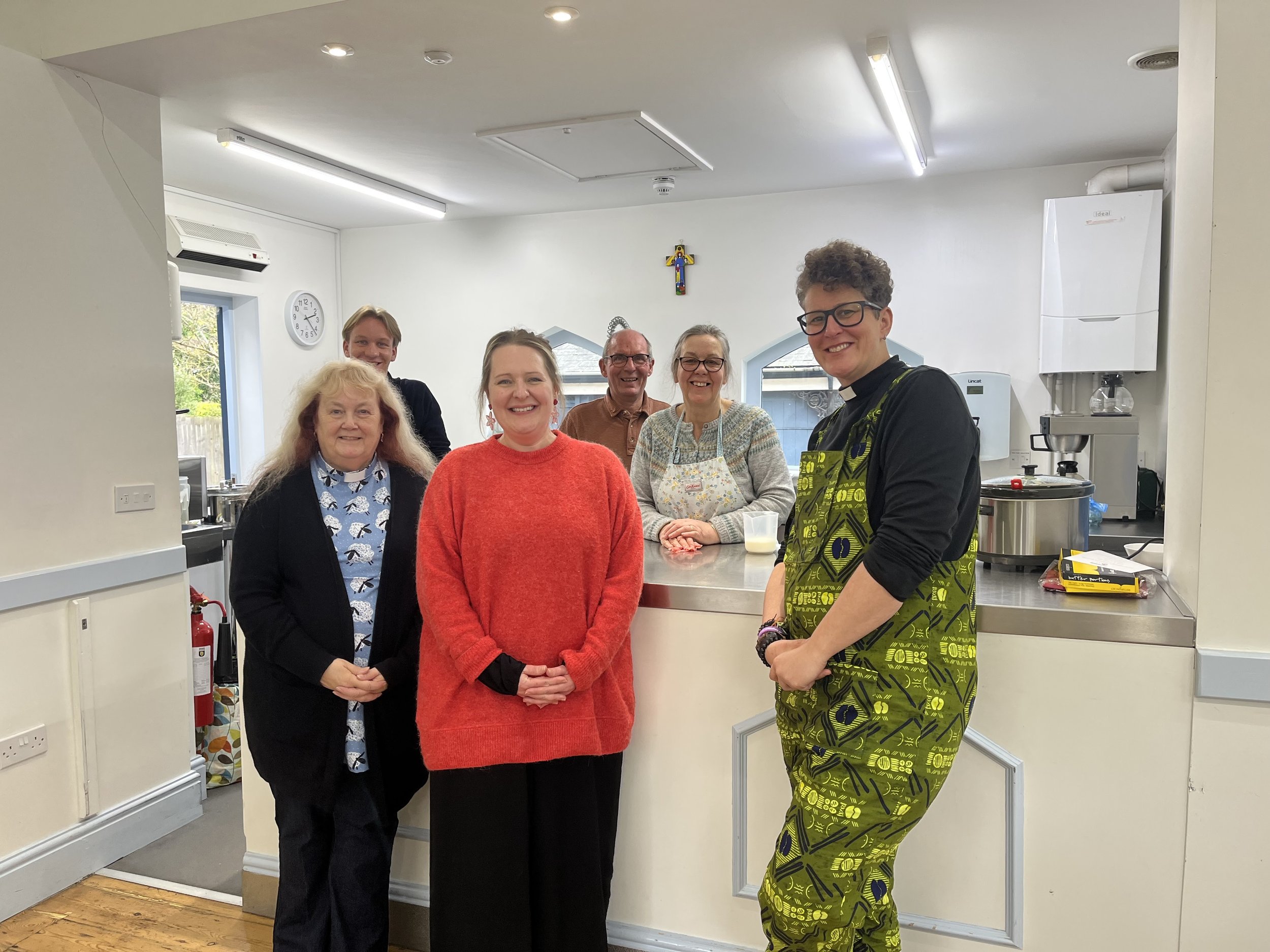
This past weekend marked the beginning of that journey, with Becci, Hands at Work UK Coordinator sharing at the service, and a Lent lunch fundraiser taking place. Members of the parish gathered to share food, learn more about the work, and raise funds in support of the partnership.

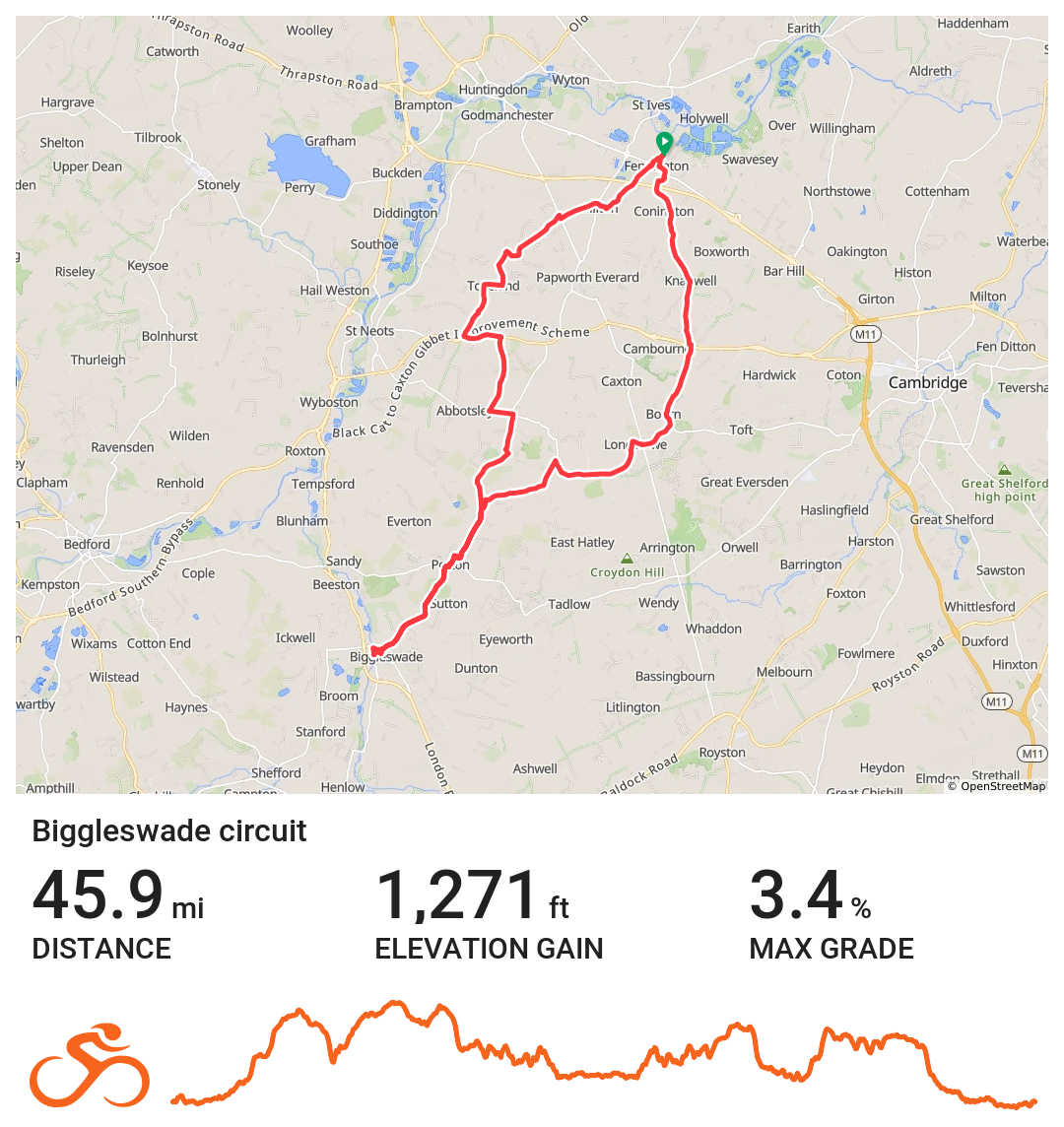
The Lent lunch is the first of several activities planned for the year ahead. The parish is already preparing for additional fundraising, including a sponsored bike ride and a harvest lunch later in the year.

We are thankful for their partnership and look forward to walking together with them, and alongside the Matsinho B community, over the coming year.

Hands at Work UK Communities at the beginning of the year

Each of the 16 Hands at Work in Africa communities supported by the UK has its own story, challenges, and signs of hope. Through local churches and volunteer Care Workers, children are welcomed at Care Points for meals, discipleship, play and practical support. Here’s a snapshot of recent news from each community.

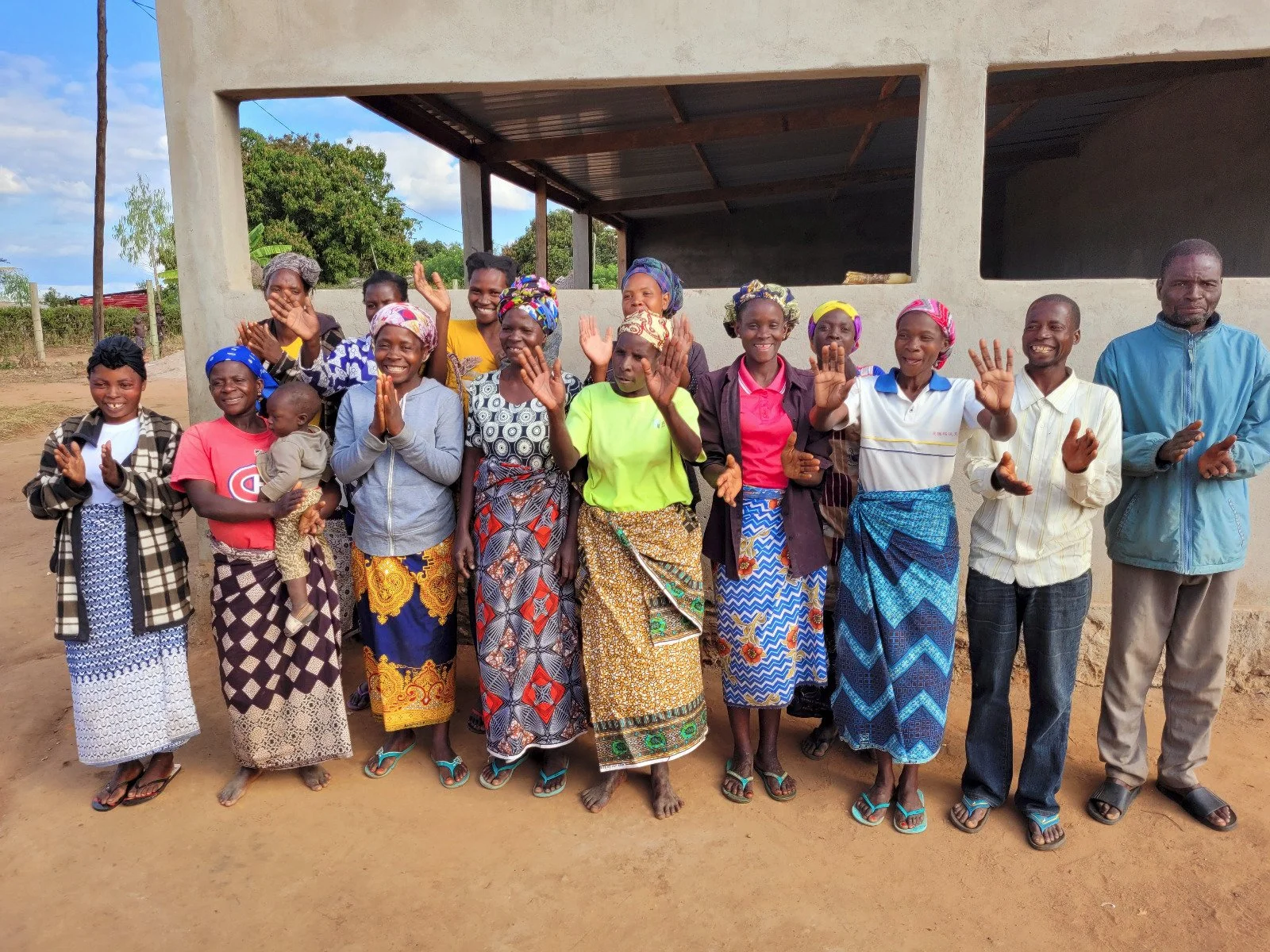
The brilliant Care Workers at Matsinho B, Mozambique

Alugbo, Nigeria 

Alugbo is a rural community that grew to 100 children attending the Care Point last year. At the end of the year, an Under 5s programme began, welcoming some of the youngest and most vulnerable children into a place of safety and nurture. This is an exciting step but also requires extra Care Workers and provision. Please pray for the team as they care for these little ones and for the resources needed to sustain this growth.

Amlew, Zambia

Children from Amlew, Maposa and Kamakonde communities had a fun-packed Sports Day at the end of last year – you can read more here. Youth exchange visits with nearby communities have refreshed and encouraged the young people, strengthening relationships and faith. Activities for each age group remain strong, with Care Workers faithfully walking alongside children week by week. 

Bhandeni, Eswatini

In Bhandeni, a team from Woodlands Churches helped with beautifying the Life Centre, creating a brighter, more welcoming space. Primary Caregiver Relationship Groups continue to meet regularly, offering encouragement and practical support. However, flooding across parts of Eswatini has made access difficult and raised concerns about crop damage, reminding us of the ongoing vulnerability many families face.

Chilabula, Zambia

Chilabula has faced a challenging season with high levels of malaria affecting a number of children. We give thanks that some have recovered well and ask for prayer for those still unwell. Despite these pressures, the community continues moving towards graduation in the coming years, a testament to the steady strengthening of local leadership and care.

Chilando, Zambia

Chilando’s new Care Point opened last year and is already making a difference to vulnerable families in the area. Daily life at the Care Point is buzzing with activity. New toilets were built on site with hopes to build a permanent Life Centre building soon. Although the community is far from a clinic, relationships are being built with local nurses who can visit when needed. It is encouraging to see the local church and wider community embracing the vision and taking increasing ownership of the care.

Chinyausunzi, Zimbabwe

Chinyausunzi, alongside the neighbouring area of Sakubva, is seeing gradual improvements in infrastructure and employment opportunities. As stability grows, the number of children attending the Care Point is decreasing — always the hope as communities become more resilient. With graduation planned for 2027, teams are equipping local churches to continue caring confidently for their community. Newly installed netball posts are also bringing energy and joy to playtimes.

Houtbos, South Africa

At Houtbos, the Care Point will be painted this year, adding colour to a space already loved by the children. The playground will receive maintenance, and Care Workers have each received a goat to help provide for their families. As the Care Point looks towards graduation in the coming years, the local Women’s Mountain Prayer group continues to gather on a high viewpoint overlooking the community to pray. Their faithfulness has been a deep source of spiritual strength and encouragement for the Care Workers and Primary Caregivers as they support one another.

Mafambisa, South Africa

Two new houses have been built for vulnerable families in Mafambisa, offering safety and dignity after challenging times. A crafts income-generating activity (IGA) has begun, with Care Workers and Primary Caregivers making and selling earrings together. After ongoing challenges with the water table at the Care Point, a new toilet was completed and painted last year. Strong involvement from a local church leader has been a real encouragement.

Malakota A&B | Malakota C, Zambia 

Malakota A and B are progressing steadily towards graduation, while Malakota C is growing and welcoming more children. After several attempts, water has finally been found for boreholes at both B and C — a huge answer to prayer. A new Care Point building at B is also taking shape, providing a more secure and suitable space for gatherings.

Maposa, Zambia

Maposa is on track for graduation within the next couple of years, with numbers of children attending the Care Point set to start decreasing in March. A recent Sports Day brought celebration and community spirit as three Care Points competed against one another. Maposa is also looking forward to welcoming visitors from partner church Haven Community from Northern Ireland next month.

Matsinho B, Mozambique

Matsinho B has recently seen some practical improvements, including painted toilets, new netball posts and a youth shelter. Youth camps with neighbouring communities remain a highlight, giving young people space for fun, friendship and growth in faith. We are thankful that in challenging circumstances, children are given moments to lay down responsibilities and simply be children.

Miswa, Zambia

A three-day Care Worker Revival, bringing together Care Workers from Kamaila, Miswa and Mutaba A, was a powerful time of healing, testimony and encouragement. Many shared deeply moving stories, and practical skills were learnt, including making earrings from recycled bottles. Each Care Worker received the gift of a goat, which will help them to provide for their households.

Mutaba A, Zambia

Mutaba A was greatly encouraged by a Care Worker Revival at the end of last year. The Under 5s programme and 6-12 age groups are both thriving. Heavy rains across the Chisamba region have recently brought challenges but the Care Workers remain committed, supporting families through uncertain weather patterns.

Mutaba B, Zambia

A new Care Point structure has been completed in Mutaba B, providing somewhere for the children to gather away from the extreme weather. The region has been affected by the recent heavy rains. As vulnerability increased in Mutaba, the original Care Point split into two, creating Mutaba A and Mutaba B, each with their own leadership structure and group of Care Workers. 

Oloba, Nigeria

Oloba is currently caring for around 50 children and began an Under 5s programme at the end of last year. Young people from across the region gather on weekends to play games and build friendships, strengthening community bonds. There are hopes to build a Life Centre in the coming year, and the Care Point is prayerfully seeking a UK partner to walk alongside them in this next season.


Please join us in praying for each of these communities – for strength, provision and continued hope in the months ahead.

Reflections on the 2026 Watchword

The Watchword for 2026

Every year the Hands at Work leadership selects a verse from the Bible – the ‘Watchword’. The choice is not meant to be a neutral ‘memory verse’ to mark a calendar year – rather it is meant to be a verse to challenge and guide us as individuals and as we consider our work with Hands at Work.

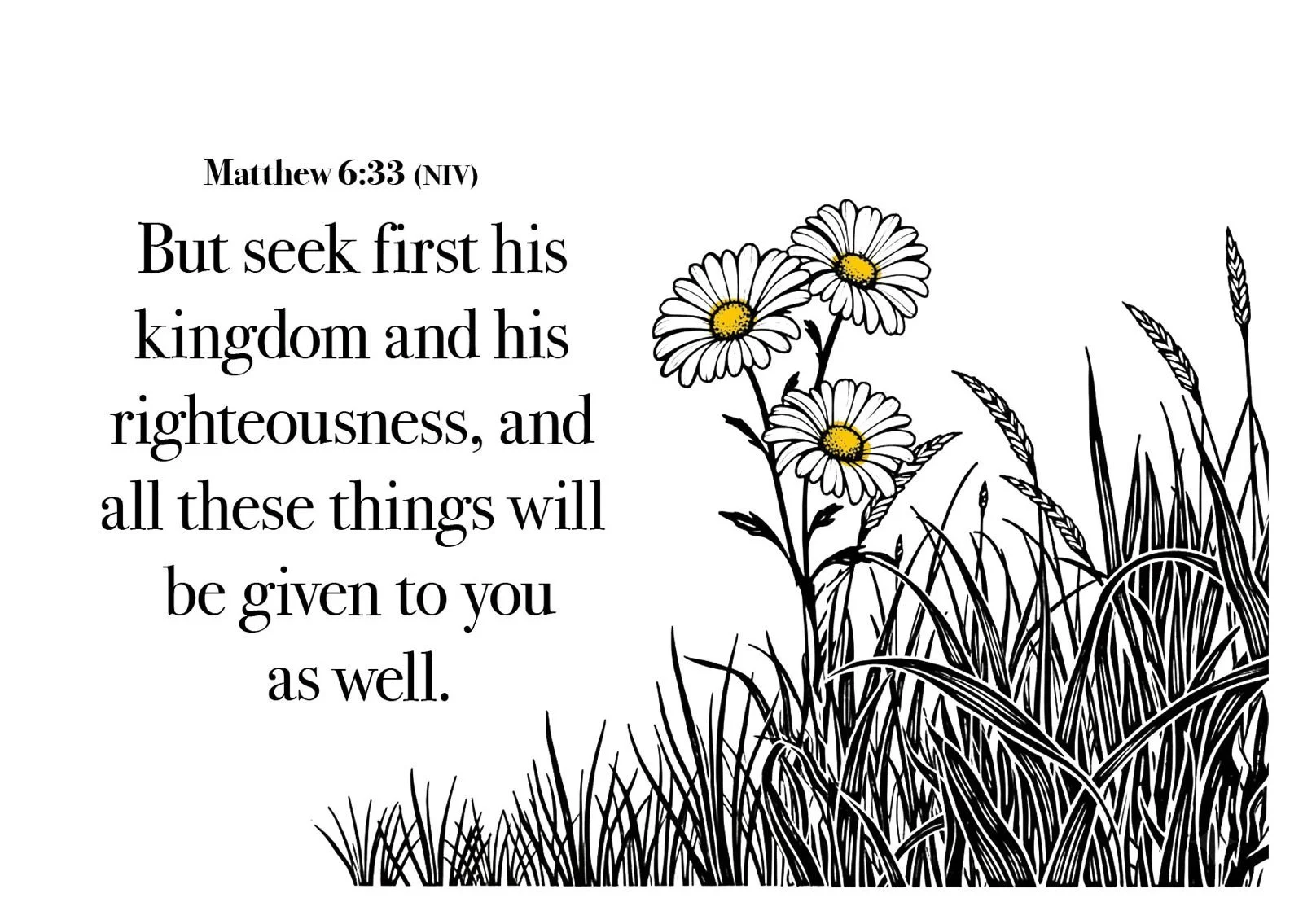
This year the verse is Matthew 6:33: But seek first his kingdom and his righteousness, and all these things will be given to you as well.

Depending on your age and schooling, the mere reading of the verse might start the 1980s classic music going in your head – maybe it even takes you back to singing it as a round: “aaaa-lle-lu-alle-luuuu-jaaaah”!

It’s easy to let a verse like this pass without thought – be good and God will bless you is hardly challenging. When Levy, Hands at Work Leader, spoke into the Watchword he reminded us that when you are living hand-to-mouth, without food or physical security, this promise is not the sort of promise that passes you easily. In that respect, the vulnerable communities that Hands at Work supports today are much more like those Jesus was speaking these words to, rather than the comfortable, secure Western society that most of us find ourselves in when we read it now.

There is a challenge for us in there though. As Christians, we may think we’ve done our seeking – we know and have claimed the good news promise. The real challenge for us in our busy lives is the third word of that verse – ‘first’. Prioritising the task we’ve been set to bring God’s Kingdom here on earth, and to do so above the busyness of work, career, family life and church rotas, not to mention the latest Netflix series or the latest podcast, is a challenge we should wrestle with.

What we choose to put first in life makes a massive difference to where we end up and how we use our time. A wrong turning right at the start of a road trip won’t stop you getting to your destination but it will make a difference to the miles you travel, the time it takes and your mood on arrival! Casually allowing things to take priority is not what this verse asks us to do. Seeking first means thinking about order, priority and orientation – deliberately operating in a Kingdom-first mode.

If we truly put God’s character and concerns first, it ought to be challenging. It ought to make a difference to the decisions we make and how we live our lives, to make a difference to how we see and advocate for the poorest of the poor.

While we may not live with the fear associated with daily survival, we do live with distraction, comfort and self-concern. In a world that tells us to seek comfort, Jesus invites us to seek His way first – let’s do that!

Feel free to accept that challenge in whichever way is meaningful for you. At our monthly Men’s prayer, I picked these three as a starting point:

Let the needs of the poor interrupt us. It’s hard for those with the least powerful voices to be heard in the noise of media and global politics. When you see a news item, or an email lands that tells a story of injustice or need, let it distract you. Give it a disproportionate importance and allow yourself to be moved – other things can wait.

Let our giving be intentional, not our leftovers. When we give, let’s think of it as giving the first of our money – as a priority for our lives, not as an activity we do when we have money to spare. Perhaps we could save money in order to give with the same intentionality as we might save up for a holiday or that piece of hobby equipment we desire.

Let our advocacy be relational, not academic. Invest the time to know Hands at Work's communities well. Wherever possible, advocate for their needs by name, rather than just their community or country.

I pray that we can all have the wisdom and boldness to seek God’s Kingdom as a first in our lives, and I expectantly wait to see the blessings that will flow from that.

Oliver Westmancott, Chair of the Hands at Work UK Board

Looking Back at 2025

Chair of the UK Board, Oliver Westmancott shares…

2025 has been another positive year for Hands at Work in the UK. We celebrated the onboarding of two new partnerships, including our first formal partnership in Northern Ireland – a new and exciting development for the UK. We also rejoiced as the community of Chilando in Zambia began caring for children for the first time. It has been a privilege for Hands at Work UK to walk alongside them in these early days.

Our UK Gathering in St Albans was another highlight, our best-attended Gathering ever, drawing together partners, volunteers and friends from across the country. Together we reflected on the Ministry of Servanthood that runs through every layer of the Hands at Work model – from local Care Workers to our role here in the UK. It was a rich and encouraging time of unity and shared purpose.

2025 was also a year of change within Hands at Work, with possibly the most significant changes since it was founded as Masoyi Home Based Care in 2002. In Africa, co-founders George and Carolyn Snyman have fully stepped down from Hands at Work ministry and Levy and Prag Mwenda have had their first full year in leadership, surrounded by a strong team of leaders. There is inevitably a settling-in time when leadership changes, where people and organisations get used to the new environment and plans for the future start to take shape.

In Africa, the International Board has been working with the leadership teams to review and improve the clarity of responsibility, and to ensure that the governance and accountability is fit for this new chapter of growth ahead. There is a definite sense that 2026 will be a year to regroup, embed the change, and set firm foundations on which to build. In the last 20 years, the regions and needs of the communities where Hands at Work work have changed dramatically. It’s the right time to ask the questions about whether we are working in the right places and providing the right support, and to ensure that we’re actively pursuing our calling to look for and serve the most vulnerable.

In the UK, the Board and Hands UK Coordinator, Becci, met in January to take stock and look at the year ahead. We identified two critical priorities which require time and energy to move forward:

1)      To restructure and strengthen the Board and operational teams with clearer roles and responsibilities.

2)      To increase committed giving in order to build resilience and enable us to support the needs in Africa.

We’ll be talking about both of these priorities as we go through the year.

A New Partnership To Celebrate

Mutaba B Care Point, Zambia

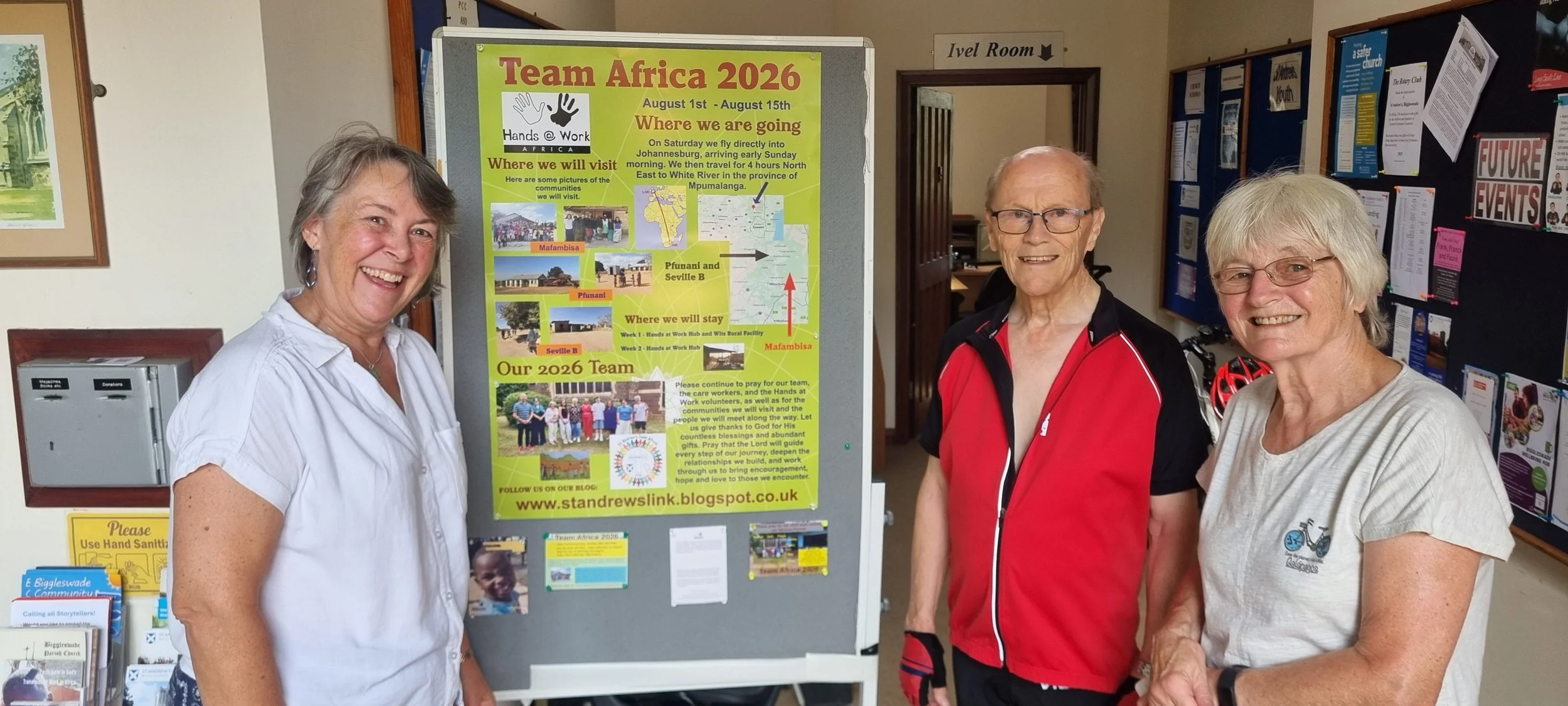
We are delighted to tell you about a new partnership between the community of Mutaba B in Zambia and St Andrew’s Church in Bedford!

Mutaba B is a rural community where fifteen local Care Workers serve 50 children facing significant challenges, including food insecurity and limited access to resources. Through their consistent and compassionate presence, Care Workers provide practical support alongside holistic care, helping the children to flourish and families to grow in resilience.

St Andrew’s Church in Bedford is a vibrant church community with a heart for mission, prayer and justice. By entering into partnership with Mutaba B, the church family is walking alongside the Care Workers and the community through prayer, advocacy, giving and encouragement.

We are deeply thankful for this new partnership with St Andrew’s Church and look forward to welcoming them into the Hands at Work UK community and seeing the relationship with Mutaba B grow and strengthen as they journey together.

St Andrew’s Church, Bedford

All they asked was that we should continue to remember the poor, the very thing I was eager to do.
— Galatians 2:10

Sports Day!

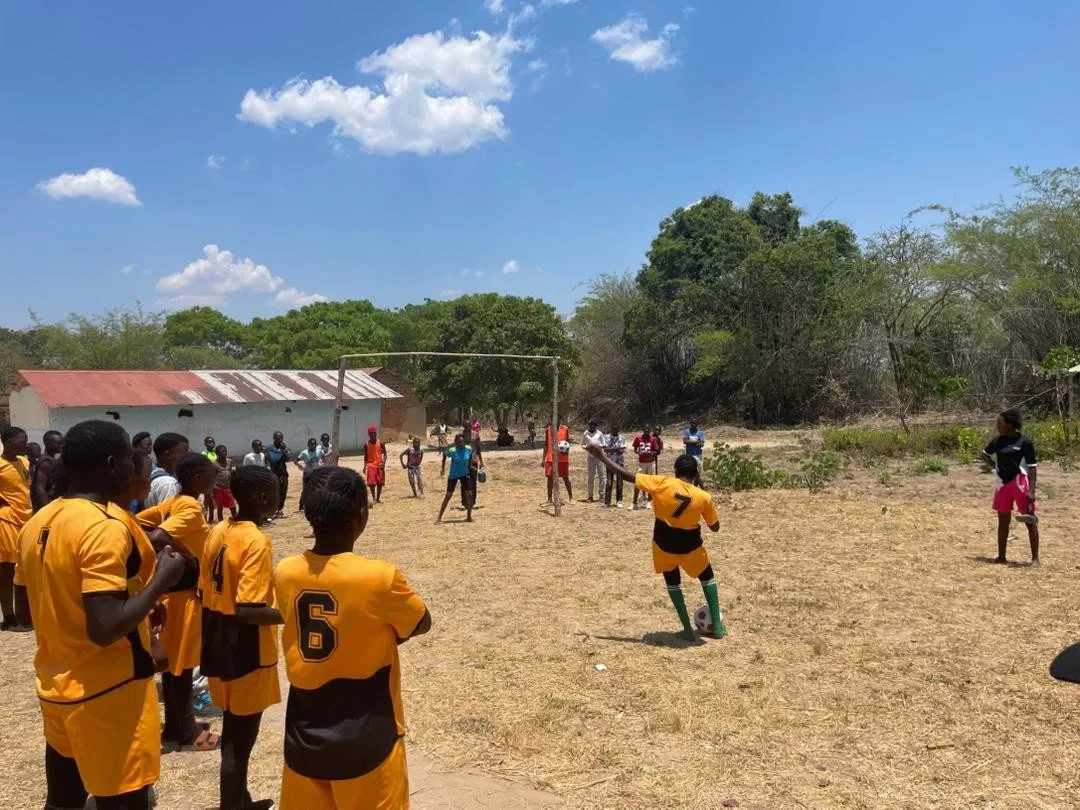
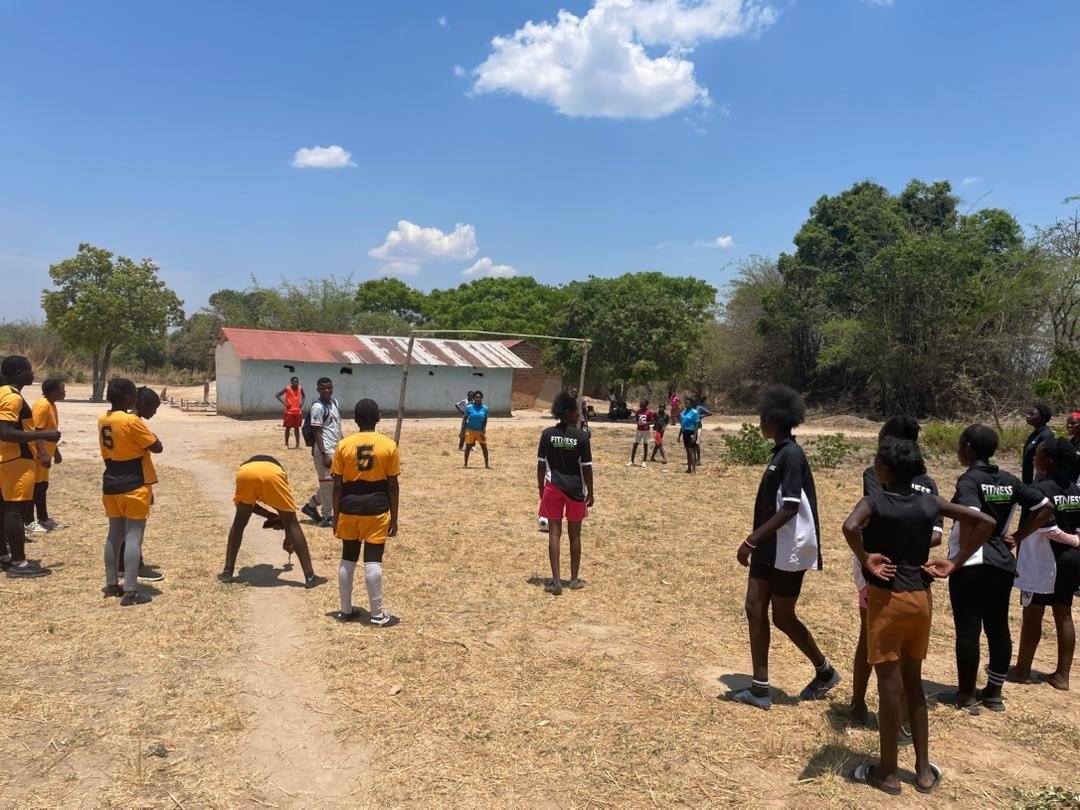
The youth from the Maposa Care Point were recently joined by young people from other Care Points – from Kalende and K Block 2 & 3 communities in the Luanshya area and from Kamakonde and Amlew communities in the Kitwe area – for a fun-packed Sports Day.

The day began with introductions, followed by praise and worship before the matches kicked off. Both games were closely contested, with the Kitwe teams emerging victorious. The boys won 3–2, while the girls’ match was decided by a tense penalty shootout.

After the games, the young people spent time reflecting on their performances and discussing what it means to make the most of the opportunities they are given. Together, they read and discussed Ephesians 5:15–16.

Although the Kitwe teams were older than their Luanshya counterparts, the Luanshya players showed great promise and skill. The time of reflection helped encourage all the youth to grow, not only in sport but also in faith and friendship. Each youth group was given a Bible to encourage them as they continue meeting.

The brilliant team supporting the Sports Day from the Service Centre were: Abraham, Samson, Samuel, Mavis, Chester and Clara, alongside the Maposa Care Workers. We know the UK partners for the Maposa and Amlew Care Points would have been cheering on the teams equally and not have been remotely competitive at all!! We give thanks to God for times of play and encouragement.

Reflecting on the Hands at Work UK Annual Gathering 2025

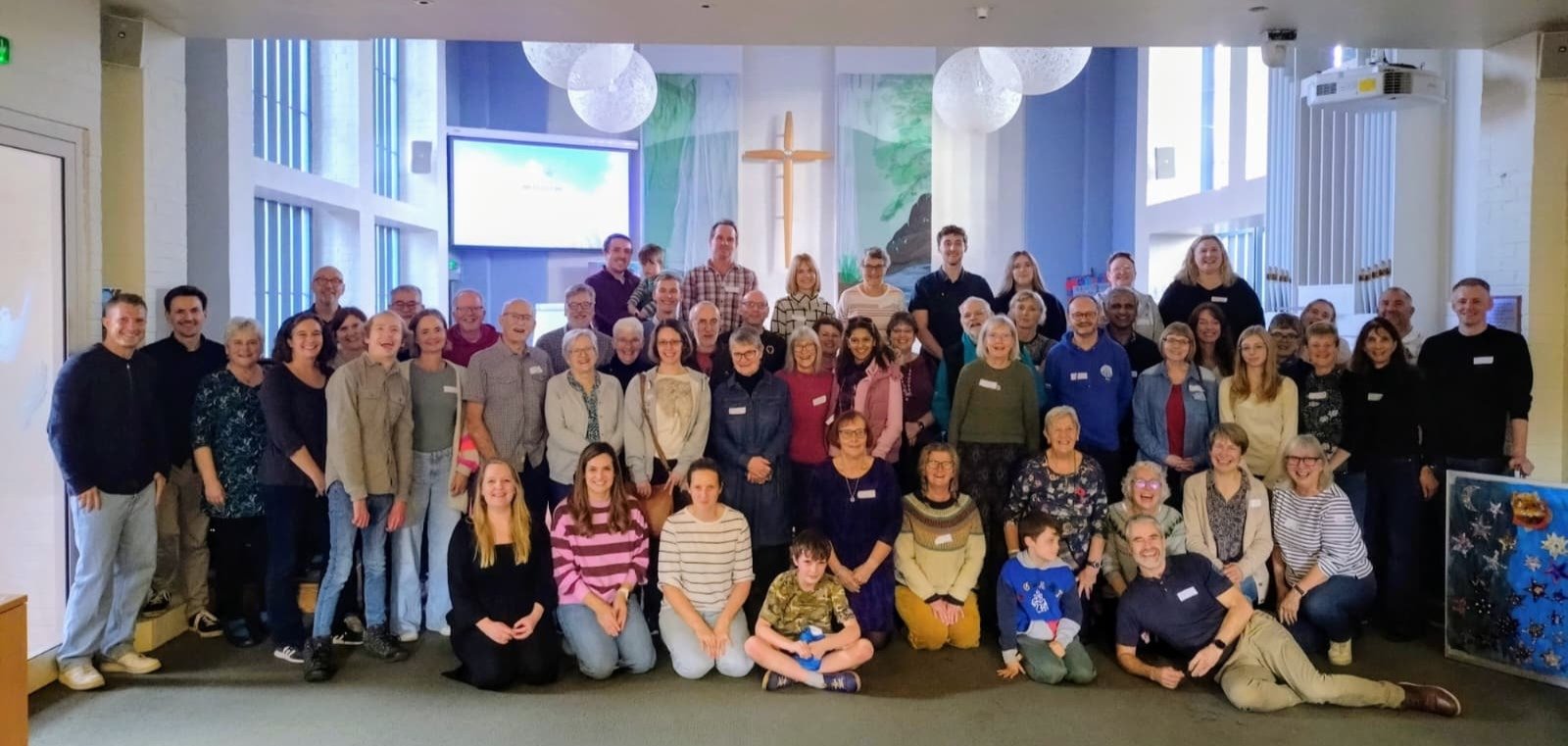
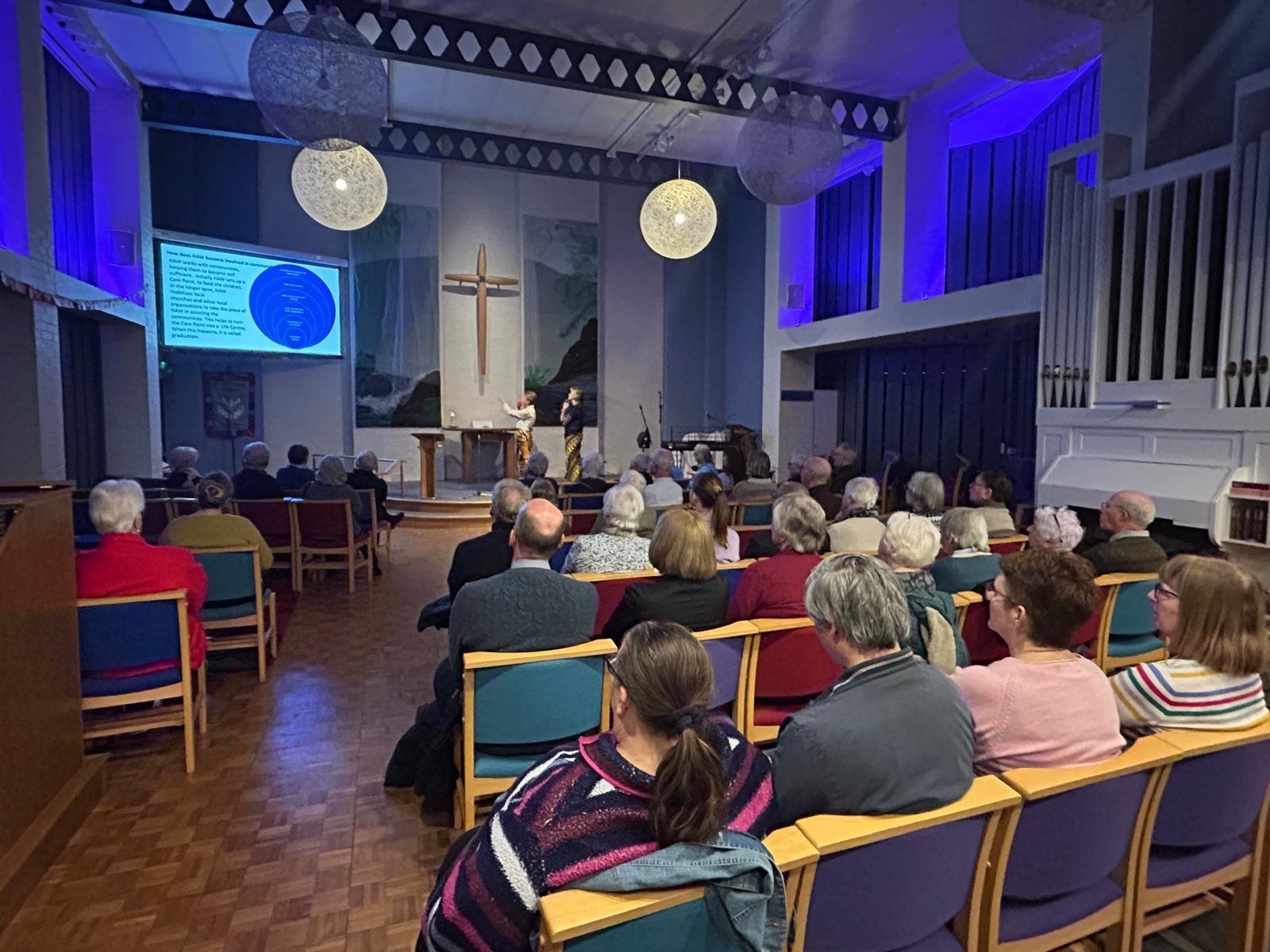
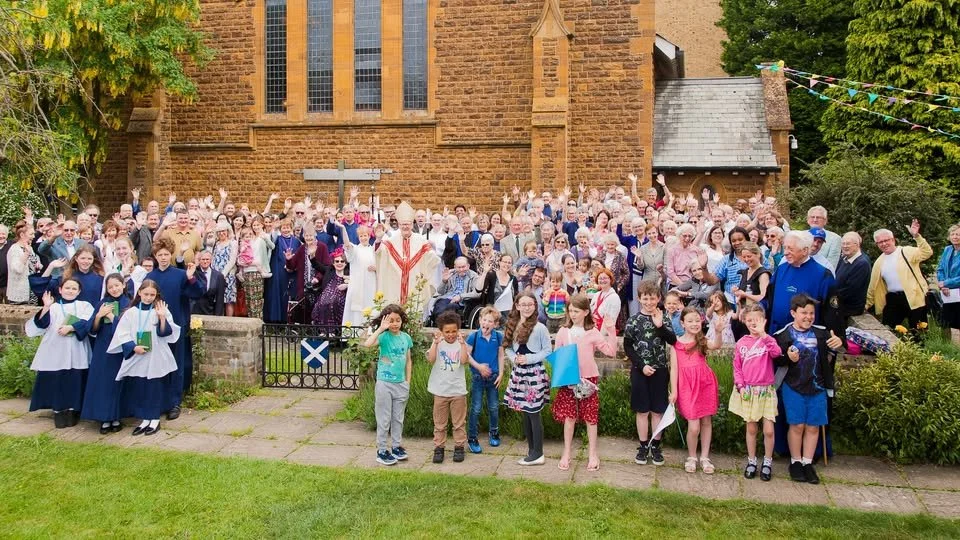
The Hands at Work UK Annual Gathering 2025 took place on 8th November in St Albans, Hertfordshire, and was a wonderful day of connection and encouragement.

The event brought together Partners, Advocates, volunteers and supporters from across the UK, all united by a shared commitment to the most vulnerable children and communities we support across Africa. With most of our meetings and events throughout the year taking place online, it was a real privilege to be together in person, to listen, share and be inspired in our common purpose.

We covered a lot throughout the day. One of the highlights was the video content from our colleagues in Africa, including messages from Levy and Prag in South Africa and Busie in Australia, and updates from our Service Centres. The video and session on the Ministry of Servanthood particularly resonated, inspiring many conversations about service – the heart of Hands at Work – and what that looks like for us in the UK.

We spent some time focusing on Nigeria and the community of Oloba, for which we are seeking a UK Partner. Later, Dan Waspe (International Volunteer, UK) led us in exploring ‘Why We Do What We Do’, and Oliver Westmancott (Chair of the Board for Hands at Work in Africa, UK) shared funding updates from Hands at Work UK. The day closed in worship and prayer, drawing together everything we had shared and reflected on.

As one first-time attendee said: “It was so empowering being in a room full of people who cared so deeply for the children and wider communities we walk with across Africa. I would say going to a Gathering is a must for any new Advocate to truly understand the compassionate culture of Hands”.

We are deeply grateful to St Luke’s Church for their warm hospitality and support throughout the day. Thank you to everyone who contributed to and participated in the event.

We look forward to next year’s Gathering!

Lead Me To The Dirt, Lord

Pete Mansfield from the Woodlands Churches team reflects on his recent time in Eswatini.

I have just returned from a trip to Eswatini (formerly known as Swaziland).

Eswatini is not on the standard tourist route. Indeed, many people would struggle to point to it on a map. It is a small country, not quite as large as Wales, Slovenia or Maine. Or, if you prefer your comparisons to be Australian, it is about one-quarter the size of Tasmania, Australia’s smallest state.

It is at the bottom end of Africa, surrounded on three sides by South Africa, and by Mozambique on the other.

So, why was I in Eswatini?

There are many ways to answer that question. However, the easiest (and possibly the most helpful) is to say that my church supports a South African charity that works with vulnerable children in eight African countries, including Eswatini. For the last ten years we have supported a specific community named Bhandeni, situated in rural north-eastern Eswatini near the Mozambique border, and a group of us were visiting to deepen our relationship.

The first draft of the following poem was written whilst I was in Eswatini and South Africa, and it was inspired by four things:

  • We were staying in a small border town and we travelled up to the community every day. It was an hour-long journey along a very bumpy dirt track. This was the ‘rutted road’ in the poem. In our six trips up and down this road, our vehicle broke down three times, had a puncture once, and missed one trip because it was in the garage. It is not a good road.

  • The border town is extremely dusty. We slept on the floor of a house and our bed linen quickly gained a coating of red dust. There was no shower in the house, which meant that we also were covered with dust. It caught in the nose and the back of the throat. It was impossible to escape.

  • Dust is highly symbolic. It is symbolic of life — Adam was formed from the dust of the land. It is symbolic of death — at a funeral, we say ‘dust to dust’. The novelist Philip Pullman uses it as a metaphor for sin. I use it as a metaphor for the pain in our lives.

  • Jesus famously washed the dust off his disciples’ feet, and then told them to do likewise. “I have set you an example that you should do as I have done for you.” As I was reflecting on the trip, the phrase ‘dirty to be clean’ was in my mind. We are called to get our hands dirty, to get stuck in, to help the most vulnerable. There is something sacred about the dust. Without it, there is no possibility to be washed.

I hope you like it.

Lead me to the dirt, Lord

Through dust to dust we travel
in life, in love, in loss.
Dust covers and surrounds us
along the rutted road, along the rutted road.

The dust is deep in places
in life, in love, in loss.
It lines our throats and chokes us
along the rutted road, along the rutted road.

We walk this dust with others
in life, in love, in loss.
We laugh, we cry, there’s silence
along the rutted road, along the rutted road.

Our dirty feet He washes
in life, in love, in loss.
And, as we’re washed, we wash,
along the rutted road, along the rutted road.

We must continue walking
in life, in love, in loss.
Dirt to clean, and to be cleaned,
along the rutted road, along the rutted road.

For dirt is where you’re found, Lord
in life, in love, in loss.
So, lead me to the dirt, Lord,
along the rutted road, along the rutted road.

Introducing Oloba

In Nigeria, far into the bush outside Ibadan, lies Oloba, a rural community where families survive by harvesting palm oil, cassava and pepper. Life is tough here. There are no nearby clinics or schools, and often not enough food.

Oloba, Nigeria

.

In 2023, the Hands at Work Service Centre team in Ibadan began visiting Oloba, walking alongside families to listen, pray and understand the depth of need. For many, daily life was a struggle simply to survive. Yet in the midst of hardship, hope and strength were found – in the welcome of a local chief, a church leader, and members of the local church who were ready to serve as Care Workers.

By the end of that year, a Community Based Organisation (CBO) was established, initially caring for 25 of the most vulnerable children. Today, seven dedicated Care Workers, led by Janet and Kehinde, are supporting 50 children with the Three Essential Services of food, access to education and basic health care.

Although Oloba’s children still walk to school in the nearby community of Onilemo, they now have Care Workers in their own community who visit their homes, encourage their families, and ensure they are cared for.

As part of the Hands at Work model to involve the global church, we’re seeking UK partners to build a long-term relationship with Oloba. Could that be you? The primary goal of a partnership is to build a relationship between a church or other group of people outside Africa and the vulnerable families and children being served on the ground. Whether you’re part of a church, school, community group or family and friends, find out more about what partnership could look like.

The Ibadan Service Centre supports three Community Based Organisations including Oloba. They provide support, training, networking and encouragement to the CBOs. They also provide administrative support, including helping with funding proposals, monitoring and evaluation, bookkeeping and reporting.

Off The Tar Road in Zambia

We often say in Hands at Work that we go to communities ‘off the tar road’.  It is a saying that expresses not only the physical isolation of many of the communities that we support, but also is an indication of their hiddenness from the wider population, from the structures of local government, and from health and education.

Visiting Mutaba A, as we did in July, makes you realise that this saying is no mere metaphor! The journey takes you over 13.5 miles of potholed dirt roads from Chisamba. Then the community itself is made up of extremely scattered rural homesteads. The practical consequence of this is that our Care Workers have to walk huge distances each day. Asking one Care Worker, for example, where she gets her water, she described a two-hour round trip at the start of her day. Her house was then another 30-minute walk from the Care Point. At the end of one day when we were there, she (then) walked with a friend to the huge weekly market in Chisamba. Although they said there are short cuts you can take on foot, they still must have clocked up a considerable mileage by the time they finally arrived home.

Distance is such a feature of life in Mutaba. There is the gulf between rich and poor that separates the community from the big city of Lusaka, only a couple of hours away. There is the walk that children face to the Care Point. We did a Holy Home Visit to a child who, we were told, lives close to the Care Point, in what turned out to be a 30-minute walk!  Over the last year the Community Based Organisation has split into Mutaba A & B, with the creation of a second Care Point, to try and reduce the amount that the children have to walk. Meanwhile Mutaba A cares for 125 of the most vulnerable children, with a wonderful team of 22 volunteer Care Workers headed up by the Coordinator, Christopher, providing them with the Three Essential Services of food, education and health care.

It has been very moving to witness the impact that Hands at Work is having in Mutaba. When we visited there in 2024, it was in the grip of a serious drought and the Service Centre team told us that people had died as a consequence, and how the Care Point had literally kept children and families alive.

When Cecilia, the Service Centre Coordinator, and her husband Peter first began walking in this community there was no school and so, in 2008, they started a small community school so that the children could get a very basic education. Eventually, the government took it over and put in professional teachers. When we were there in July, building work was going on to extend the school with more classrooms and two teachers’ houses. When Hands at Work gets involved in a community, it starts to put it on the map, reducing the distance separating them from the support that comes from access to proper education and health care.

The trip was very special for us as, at the beginning of 2025, our church, St. Michael’s, Boldmere, agreed to partner with Hands at Work. It had taken us nearly seven years of patient, quiet advocacy to get to that point, so this visit laid the foundations for taking a team in 2026. We look forward to introducing representatives from our church to this amazing community.

David & Jane Newsome

An Unimaginably Important Trip

In April 2025, I travelled to Zambia with a team from Forge Community Church and West Mersea Free Church to support the communities of Maposa and Amlew. Amlew is a lively community where I was able to run a relationship group alongside my Grandma for the 6-12 year olds, who loved to colour, play games, sing and dance. Maposa is located in a more rural area and the children I met were more reserved but loved all of the same things. They have beautiful attention to detail and care so much about all of the activities that they take part in. A real highlight from visiting these two communities has been the times of worship and prayer. Nowhere else do you get to be around so many people who share such a strong faith and just genuinely celebrate in the Lord’s presence.

For the second week of our trip we hosted a kids’ camp at Kachele Farm, where we were staying. We had 15 kids from Maposa and 15 from Amlew come to stay and be involved with crafts and activities, sport competitions, singing and dancing, as well as learning valuable lessons about Jesus. Our aim for the week was to remind the children about how much they are valued by God, and that they are worth so much just for being who they are. We led stories and had group conversations where we asked the big questions and supported the children in the best way we knew how to, reminding them all the time of the loving Father that they can all find in God.

These two weeks have been unimaginably important. I have learnt so much and gained valuable friendships from my kids team, the team I went out with and the Service Centre members who we were supporting. Since my trip I have had the opportunity to share the stories I made and the stories that I have heard with people around me by sharing at my parent’s small group, at my own youth group and through having conversations with friends, which I sparked by keeping a list of my kids team’s names in my phone case as a reminder. And, hugely, my faith has been built so much stronger as I was reminded of the importance of spending time with God, appreciating the blessings that God has provided us with and enjoying the God-given peace that comes through a relationship with Him. I am so thankful to every person who I met in Zambia, you all made the experience what it was and I couldn't ask for more. Thank you.

Jemima Westmancott

Each One Reach One

At Hands at Work in Africa we are deeply grateful for your partnership. Together, we are part of an incredible global family, supporting and standing with African Leaders and Care Workers who are bringing transformation and hope to their own communities. It’s a privilege for us in the UK to walk alongside them, learn from them, and contribute in meaningful ways.

Why Reach One?

Imagine the difference it would make if each of us introduced one more church, organisation, or individual to the Hands at Work family. By inviting others to participate in this work, we:

  • Strengthen the support for African communities as they care for the most vulnerable

  • Widen the network of prayer, encouragement and solidarity for Care Workers on the ground

  • Help more people here in the UK to experience personally encountering God’s heart amongst the vulnerable and to grow in faith, as well as to be encouraged and impacted by the core values and way of life of the Hands at Work community.

How You Can Help

1. Identify Potential Partners: Think of churches, organisations or individuals who might share our heart for justice, community and relationship.

2. Build a Connection: Share your own journey with Hands at Work. Talk about the privilege of partnering with African Leaders who are living out sacrificial love every day.

3. Share the Vision: Invite them to a Hands at Work event, connect them with our team, or tell them about the powerful stories of hope emerging from communities. We have some helpful pages on our website about Partnership.

4. Encourage Participation: Encourage them to explore ways they can walk alongside Hands at Work, whether through prayer, financial support, or joining your partnership visit to see the work firsthand.

Together, We Can Do More

When we grow the Hands at Work family, we amplify the efforts of those on the ground who are already leading the way. If each of us reaches just one more partner, imagine how many more children could be cared for and how many more lives could be impacted. Please join us in this simple but powerful step of faith. If you’d like guidance or resources to share, don’t hesitate to contact us.

Thank you!

Raising support for Hands at Work with second-hand books

Inspired by our friends in the Netherlands, who hold a huge second-hand book sale each year to raise funds for Hands at Work, Becci, our UK Coordinator, decided to try her own version – albeit on a much smaller scale!

Photo credit: @cbaileycreative

With donated books from friends and family, and a few that had been gathering dust on her bookshelves at home, Becci and her mum set up a stall at a local school fair. Despite the sweltering day, many people came along, and although the stall didn’t raise lots of money, it did offer a great opportunity to chat to people about Hands at Work, as well as to recycle pre-loved books.

It was a reminder that every fundraising effort counts, whether big or small, and shows that we can all play our part, right where we are, to help raise funds and support vulnerable children across Africa.

Are you doing any fundraising for Hands at Work? We’d love to hear about it – do let us know!