

Bringing relief to the most vulnerable children and communities directly impacted by crises LIKE…
Extreme Weather (Super El Niño 2027)
El Niño is an ongoing climate phenomenon projected to have unprecedented impact globally, driving extreme heat, severe droughts and major flooding. It is anticipated to reach its peak intensity at the end of 2026, into early 2027. We are expecting it to have a serious impact on the countries, communities, and families we serve in Africa. But this is not the first time we have faced extreme weather conditions…

Over the last few months, a serious drought has hit Africa, particularly affecting Mozambique, Zimbabwe and certain areas in Zambia. In the most vulnerable communities, subsistence farming is the primary way that people survive. Maize and other vegetables are grown and harvested and then sold for profit or used to feed families. With little rain, the crops have been unable to grow properly, leaving families with little to survive on.
THE CRISIS IN GOMA | Democratic Republic of congo

Source: Globe and Mail
The Democratic Republic of Congo (DRC) has been plagued by decades of war. Hands at Work has been serving in DRC communities devastated by this unrest since 2006. The north-eastern province around the city of Goma has continued to experience the constant threat of rebel attacks and war. The level of violence has increased over recent months, affecting communities where Hands at Work serves, resulting in children and their families having to flee their villages for their own safety. This escalating instability around Goma is highlighting the reality that families in the DRC face. They are fighting for their daily survival.
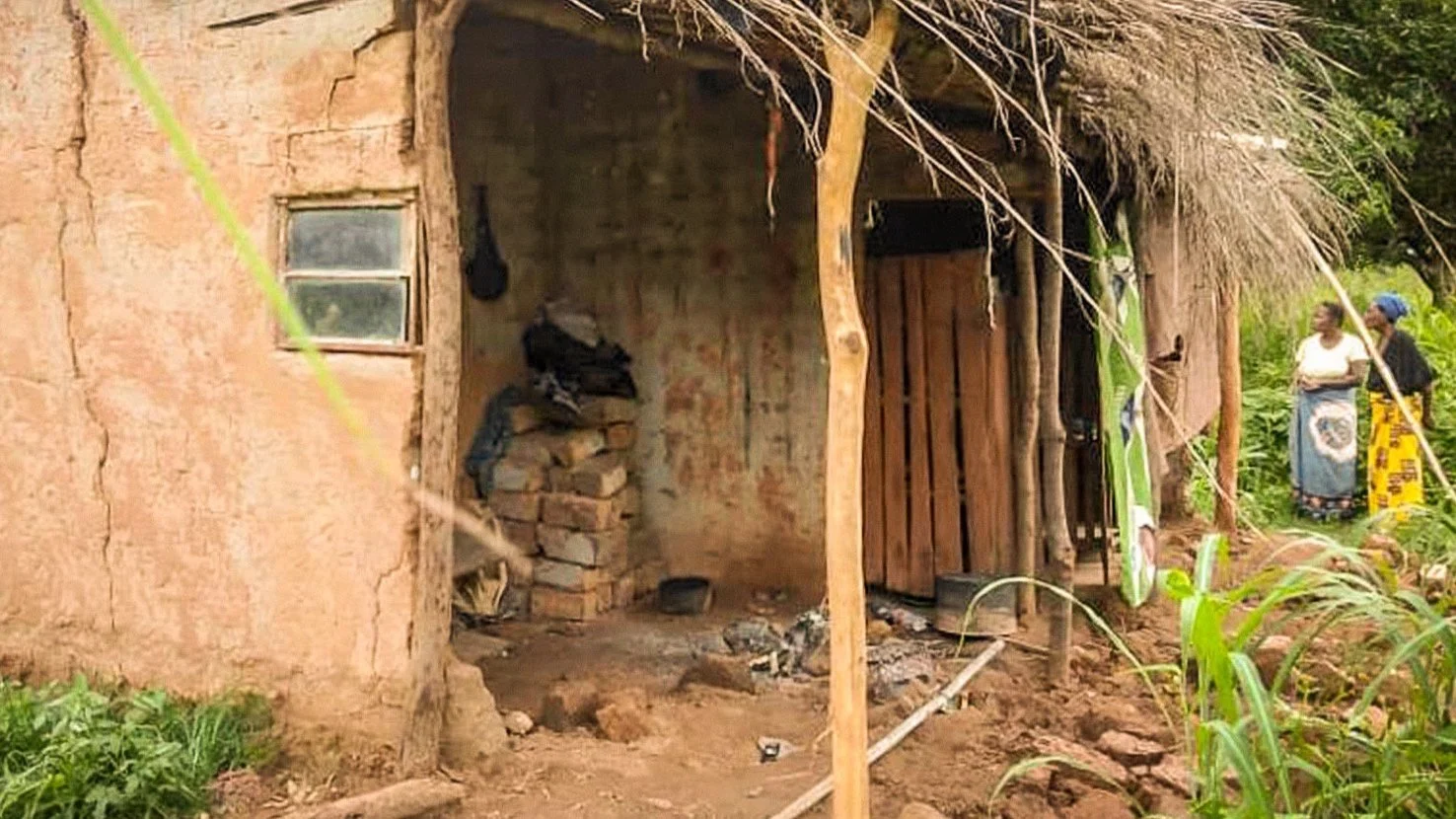
At the end of January 2022, many areas in Southern Africa have experienced high winds and heavy rainfall. In Zambia, the Kabwe and Chisamba regions have been hit very hard. There has been significant damage caused to a number of homes within the communities we serve. In some cases, homes collapsed in the night, leaving families with nowhere to go.