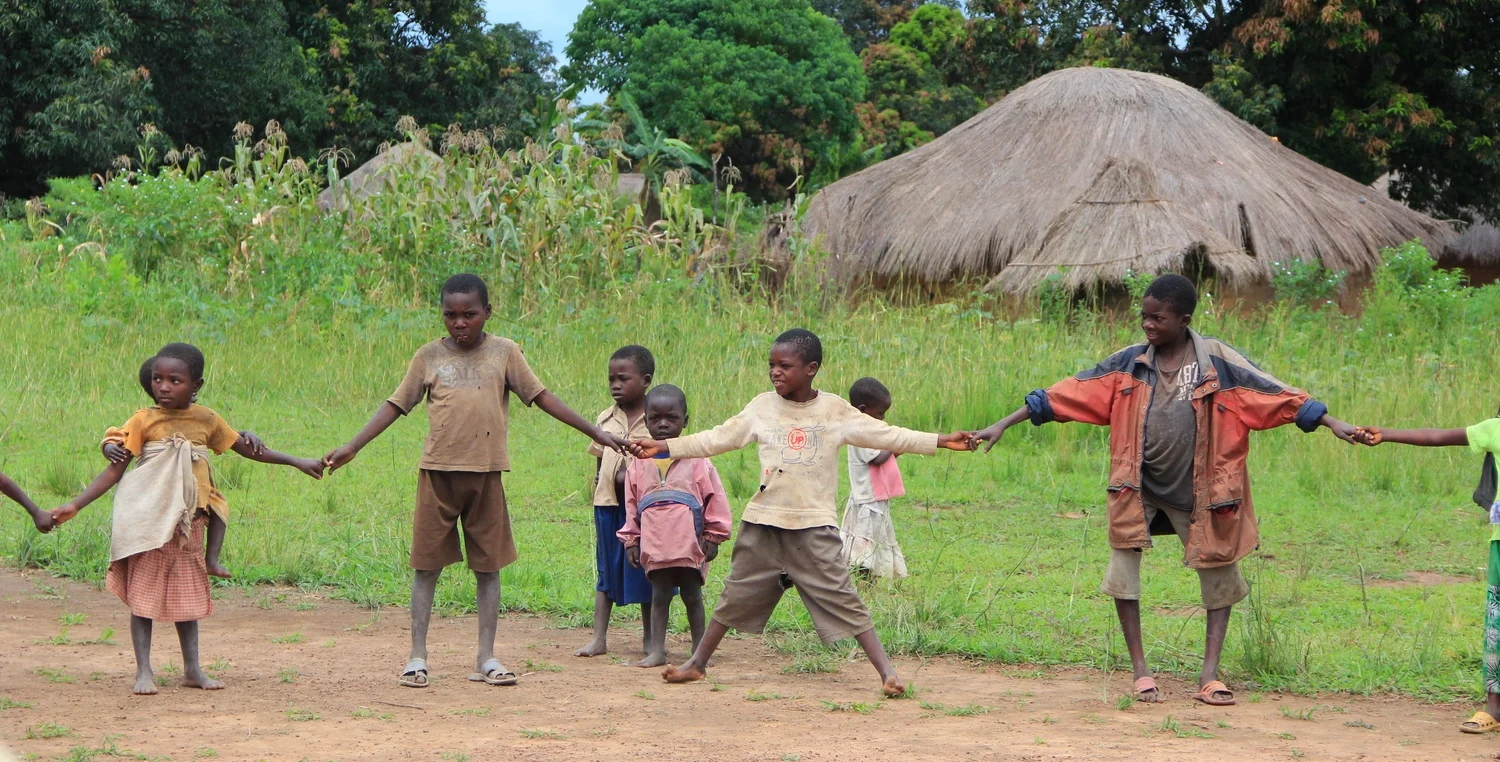


Areas in the Democratic Republic of Congo being impacted by Hands at Work
THE CRISIS + HOW WE BEGAN
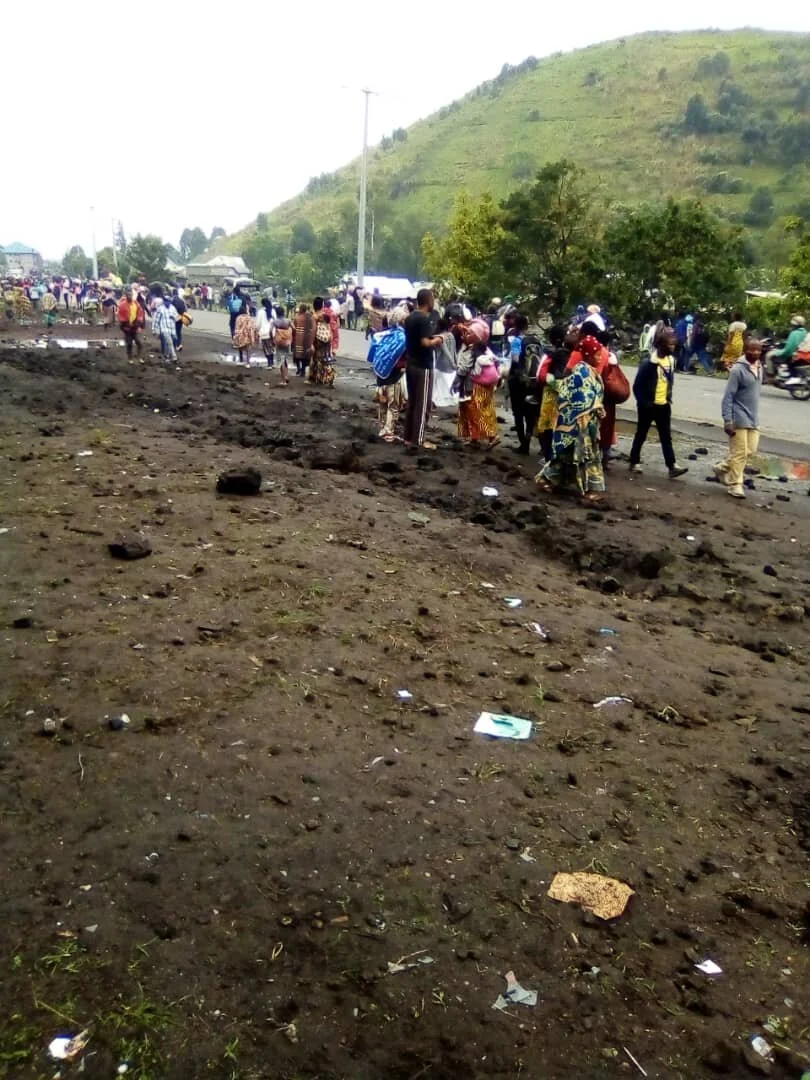
Ranking 179th on the Human Development Index, the Democratic Republic of the Congo (DRC) is plagued by a war in which four million people have died. Rebel attacks continue in parts of the country, fuelled by the developed world selling weapons to the DRC for immense economic resources including diamonds, copper, and cobalt. Thousands of children have been recruited and used by armed groups.
In early 2001, George Snyman, co-founder of Hands at Work, was in Zambia at a conference, sharing with people who had been called into ministry about the heart of justice. Also, at the conference, was Erick Rukang from the DRC who caught George’s passion and dreamed of getting involved.
In 2006, a couple who were serving with Hands at Work in South Africa moved to the DRC to start the work in south of the country in Likasi. Though it was hugely challenging, they were able to break ground and start mobilising the local church in communities like Toyota. At that time, Erick, hearing about what they were doing and remembering his time at the conference, wanted to get involved. Initially starting as a Care Worker in Toyota Community - the first community mobilised in the DRC - Erick began to take on more leadership of the growing work as the couple began phasing out. In 2008, Erick transitioned into coordinating the work in the DRC and leading Hands at Work into the next season of expansion into rural communities in the Likasi area and eventually into Goma, located in the north-east of the DRC.
THE RESPONSE
As the local church is mobilised in each community to unite and reach out to the most vulnerable, Hands at Work equips them to provide physical, emotional and spiritual support to the children and families they serve. Children are supported through the daily provision of Hands at Work's three essential services of food, education and basic health care provided at Life Centres within their community. Through regular visits to their homes, bible teaching and prayer, children come to know that they are loved by Christ and those who care for them.

MEET Martin
Martin* one of the most vulnerable children we care for in Toyota B Community, DRC. Martin’s father died some years ago, and his mother, Ruth*, has little way to support her four children. Martin was seven years old when the Care Workers discovered the vulnerability of this family. Ruth and Martin’s grandmother, Claudine, are both very grateful for the improvement in the health of the children since they started attending the Care Point. Even Claudine has been impacted and has started serving as a Care Worker in Toyota B, supporting other families as well. Both Ruth and Claudine try to find odd jobs in the community by cleaning rooms at the clinic, as well as working in the field.
Population: 95, 875, 240
Percentage of people living in extreme poverty: 63%
Number of children (0 to 14) living with HIV/AIDS: 60,000
Number of children (0 to 17) who have been orphaned due to HIV/AIDS: 470,000
Life Expectancy: 62 (F) | 57 (M)
Country Rating (out of 187) the Human Development Index: 179
– Sources: UNAID, UNDP, World Poverty Clock



Praise’s grandmother Bertha began caring for him, but she was desperately poor and trying to survive. Praise was hungry - continually crying. People in the community said he would die and tried to put ritual charms around him but Bertha refused and knew God would provide. After her husband passed away many years ago, she said she learned to trust God throughout any hardship.