


Areas in Zimbabwe being impacted by Hands at Work
THE CRISIS + How we began
Since 2008, when Zimbabwe faced one of the worst economic collapses in history, the country has endured rampant inflation and critical food and fuel shortages, resulting in many Zimbabweans surviving on grain handouts, and fighting for the little resources available. The cost and difficulty of accessing health care remains a major challenge for the most vulnerable families in Zimbabwe, as few can afford treatments or transportation to medical facilities. Subsequently, prohibitive access means people do not receive treatment in time, and many children and adults pass away prematurely.
In 2008, Farai Gunhe (African Leader, Zimbabwe) got connected with a man from Mozambique, who was supporting the ministry that Hands at Work was doing in his home country. At that time, Farai had a personal business of driving taxis as well as feeding 200 of the most vulnerable children in his community out of his own home every Saturday. Going back to Mozambique, this man shared with George Snyman, co – founder of Hands at Work about what was Farai was doing. From there, a group of leaders including George travelled to Zimbabwe and spent two weeks walking in local communities and seeing the depth of need and brokenness. During that visit, they had a short meeting with Farai, sharing the heart and the vision of Hands at Work. In 2009, Farai was invited to South Africa for a conference and it was during that week, that Farai came to understand the vision. While not fully understanding what it would require of him, Farai said yes and became the first member of the local Hands at Work team in Zimbabwe supporting the first community of Sakubva.
Our Response
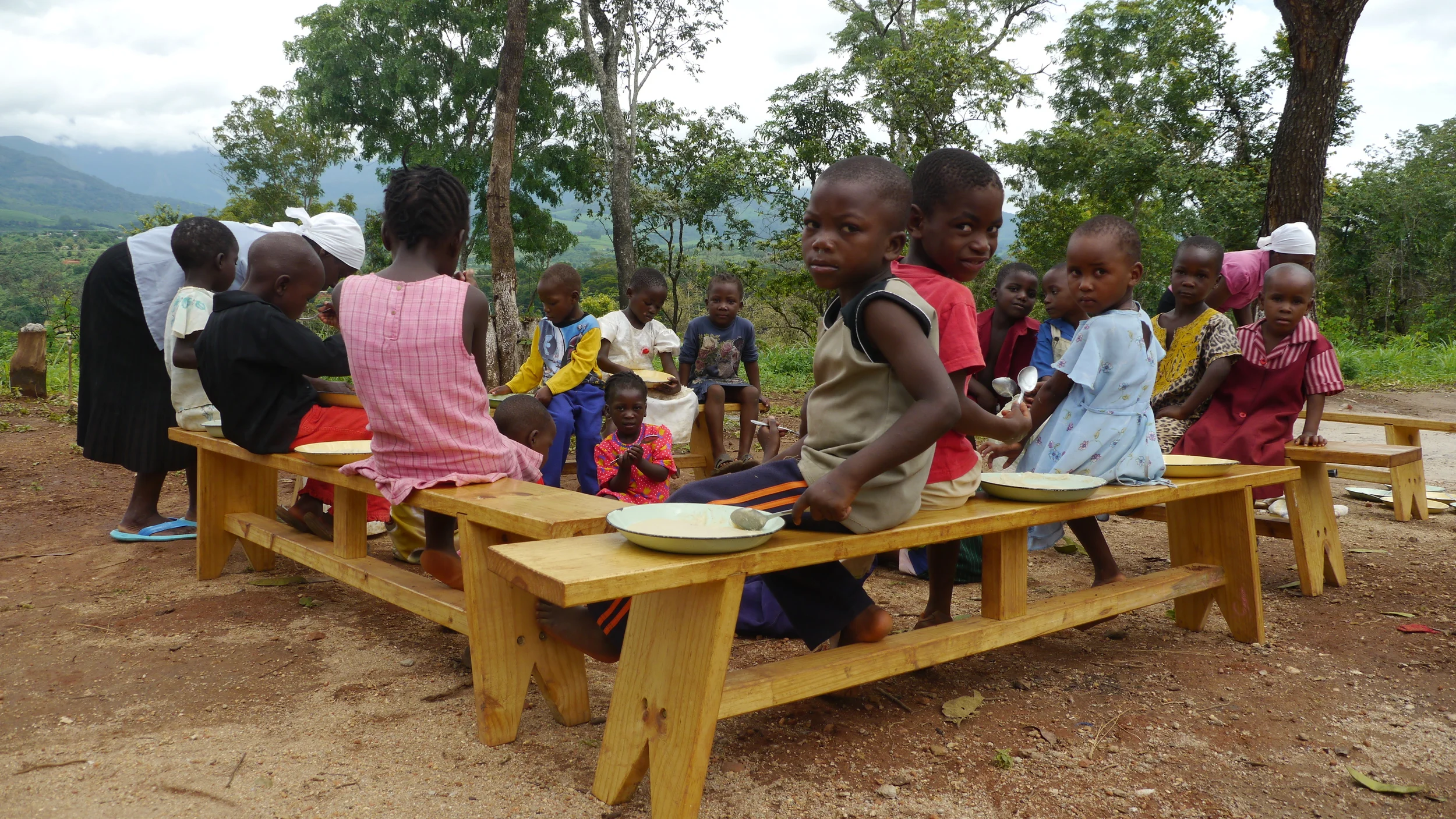
As the local church is mobilised in each community to unite and reach out to the most vulnerable. Hands at Work equips them to provide physical, emotional and spiritual support to the children and families they serve. Children are supported through the daily prevision of Hands at Work's three essential services of food, education and basic health provided at Life Centers within there community. Through regular visits to there homes, bible teaching and prayer child come to know that they are loved by Christ and those who care for them.

meet Charles
Charles* is one of the most vulnerable children we care for in Tsatse Community, Zimbabwe. Nine-year-old Charles’ mother struggles with a mental illness, leaving her unable to care for her three children. Although the children live with their elderly grandparents, they are unable to find work and subsequently unable to provide for their grandchildren’s needs. When the local Care Workers began serving the most vulnerable children in Tsatse, Charles and his siblings were among the first invited to the Care Point. Here, they are guaranteed to receive a hot, nutritious meal daily and are surrounded by people who love, care and support them.
Population: 18, 513, 580
Percentage of people living in extreme poverty: 40%
Number of children (0 to 14) living with HIV/AIDS: 75,000
Number of children (0 to 17) who have been orphaned due to HIV/AIDS: 490, 000
Life Expectancy: 62 (F) | 56 (M)
Country Rating (out of 187) the Human Development Index: 146
– Sources: UNAID, UNDP, World Poverty Clock


